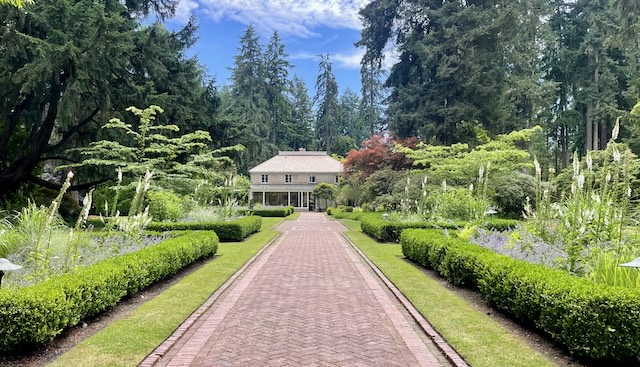
When I think about talking to my friend Justin Henderson—Executive Director and Head Gardener of Lakewold Gardens in Lakewood, WA—I think about the excitement he has for both the garden, and his vision for its future. His energy is contagious, and being who I am, it’s been easy to fall into conversation with him. He’s drawn a lot of us in from around the region, and the energy and participation from our horticultural colleagues is honestly intoxicating. I won’t lie. (Seriously I won’t. I hate lying lol.)
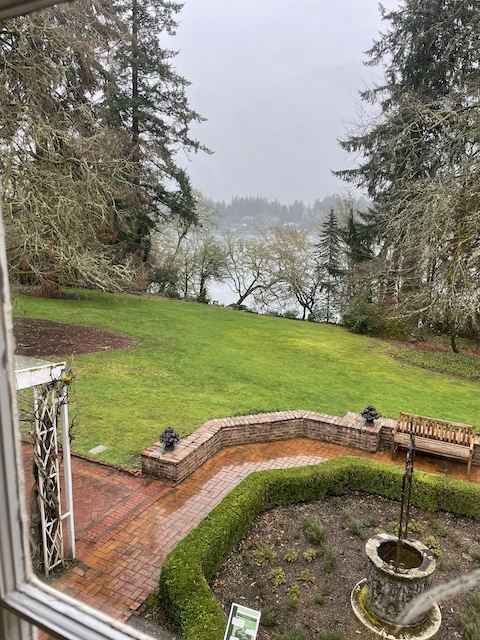
This last March I sat down with Justin during my first visit in years and we talked about the history of this fairly nascent public garden. Younger than myself, it’s just 39 years old, though the property itself was first developed in 1908. I recounted to him that my first visit had felt very different. The place had felt solemn, more like a museum, a tomb, like the owners would be home soon.
But it has changed, and is changing.
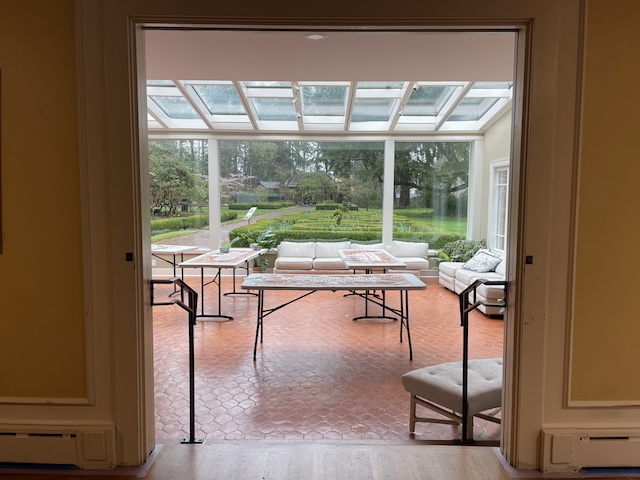
We talked about how Justin finds inspiration in the program at Chanticleer Garden, a garden I’ve sadly only seen in winter. He’d like Lakewold Gardens to be more like an arts incubator for horticulturists, for designers, for gardeners, with breathtaking designs, and well-grown specimens. Kind of how I remember Chanticleer in the magazines of long ago…
He certainly has the vision and the youth to be able to accomplish a lot and to lead. I’m excited by that, and the staff appears to be doing well with it. (During that visit Justin and I also went out to lunch with Garden Supervisor Brianna Ybarra. I enjoyed hearing about her life and career path in horticulture after witnessing her competent work in the garden.)
This is a tall order, and it’s why I was there, to consult on designing two of the gardens, and my first task was to understand the overall vision, so I could better interpret the task at hand.
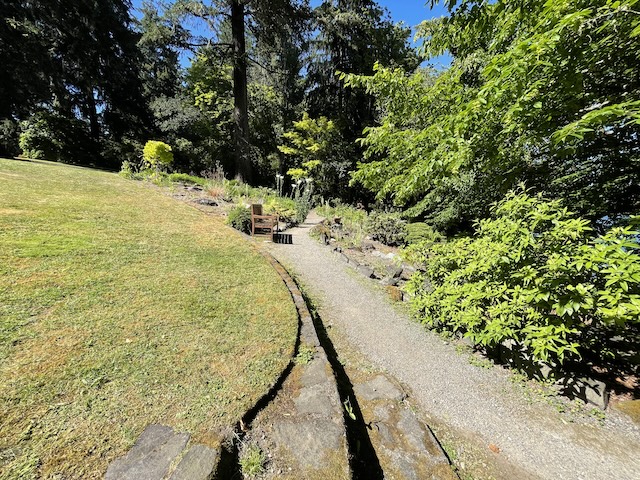
My job now is to create and connect two distinct gardens: a rock garden and a scree garden. I will make a “visual narrative” connecting what once had been in those spaces, working to adapt those designs to better fit the audience (which is the community that now lives and visits there). The overall vision is still to “pack the house” with new and fun plants—like Eulalie would have wanted—keeping that vibrant energy of gardening alive, but I want to avoid the pitfall so many gardens can fall into. I simply can’t be boring.
A private garden is radically different than a public one. Gardens simply can’t stay the same. This was once a private collection.
How do you take that into the future though once the collector is gone?
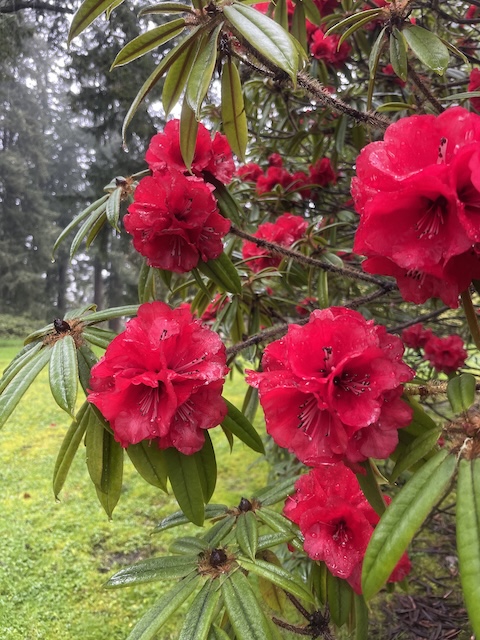
While we talked, Justin referred back to a passage written by our friend Dan Hinkley in the Lakewold book as a starting place for the renewal effort and I immediately remembered what Dan had written, and as someone who has worked in both specialty and wholesale nurseries, I thought about how exciting this perspective was, and how Dan truly nailed the assignment years before us.
“The curse of the passionate gardener’s garden is that its framework loses its novelty as it matures. Not acknowledged in this anathema is the fact that the novelty has worn thin on the plants they chose to have grown because they have been mainstreamed in commerce; they are now commonplace because they were ultimately deemed good plants deserving wider recognition in regional landscapes.”
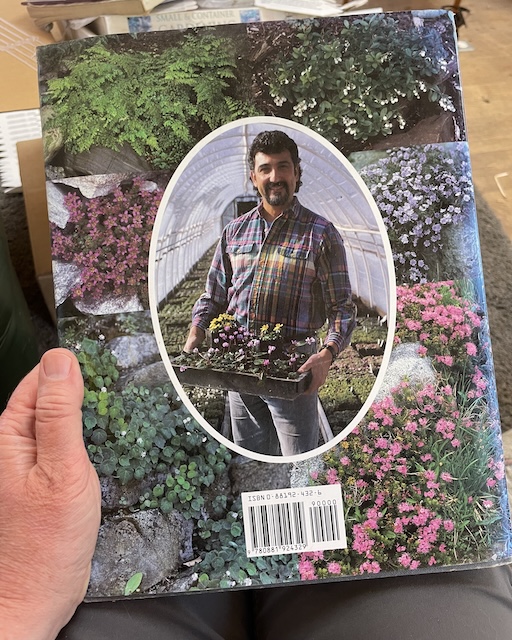
Dan Hinkley, Foreword. Lakewold: A Magnificent
Northwest Garden, Ronald Fields, editor (2011).
Justin and I continued to talk about the challenges of a changing garden, old plantings, shrubs that were not properly maintained, and how “keeping everything as it was” and not properly maintaining the landscape can become a problem. Justin inherited a bit of a mess, and he edited it like crazy, and while it’s a lot of change, sometimes the soil just needs to be disturbed in order for things to grow again. That’s all I’m going to say.
Change is good. Let the light in.
So my contributions as a casual consultant to Lakewold Gardens began the month before when Justin and I were packing swag bags for speakers at the Northwest Flower and Garden Festival. I’d just arrived by train, had dropped off my luggage in my hotel room, and walked over to the convention center to help.
Just a few minutes into volunteering, I asked how the rock and scree gardens were fairing. There weren’t any great photos of them online, and I was curious since I’d been thinking about alpine plants ever since Evan and I had helped to pack NARGS seeds down in Medford. (I was quietly wondering too if we could somehow add the legacy of Kathy Allen to the spaces, maybe figure out how to make something educational.)
“They look terrible. Do you want to design them?” was Justin’s response.
“Absolutely!” is what I will write now, but I think I likely said something more like, “Uh, duh!?! Are you serious?!?!” While my plate is pretty full, I couldn’t think of anything I’d be a better fit for at all—especially since I will work with the staff on it. I already want to teach others more about plants, and share my well-documented enthusiasm lol This gives me that opportunity. Yes!!! Sign me up.
And so a month later, I journeyed back up to Washington to sit with Justin and spend a day thinking long and hard about all of the pieces and how they fit together.
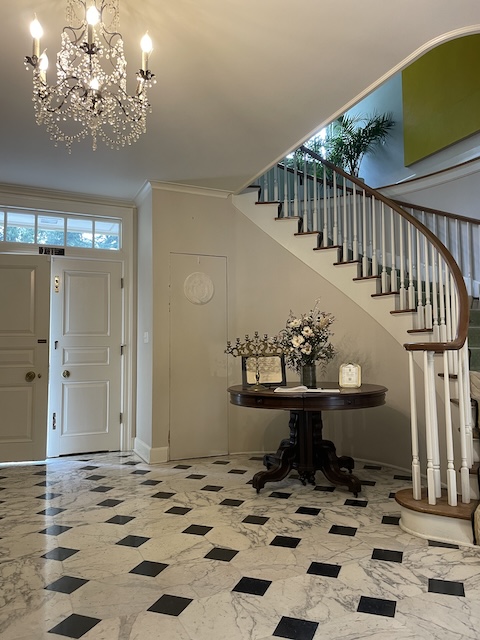
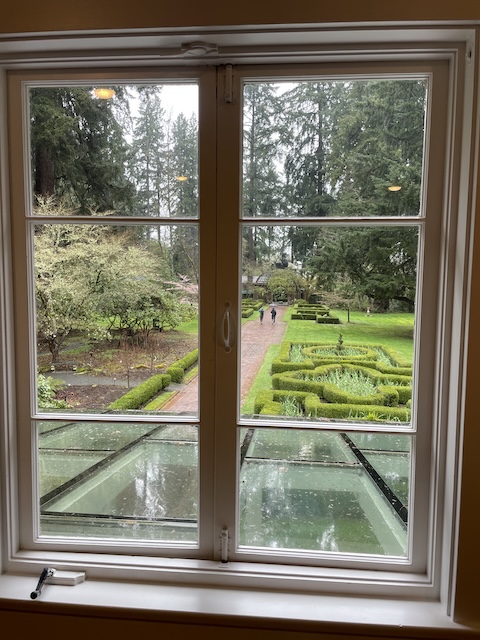
Another takeaway from that day was the fact that the powerhouse behind the garden was a woman named Eulalie Wagner. Though not the original owner, she shaped the property into what it is today. She was a force to be reckoned with and I’m happy to put my strongest plantswoman energy into this space to do it justice. Honestly, I need a safe place to release that energy. Isn’t the public lucky? Lol.
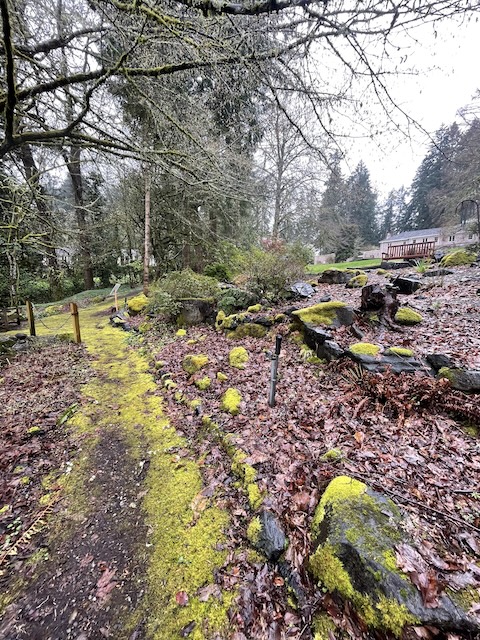
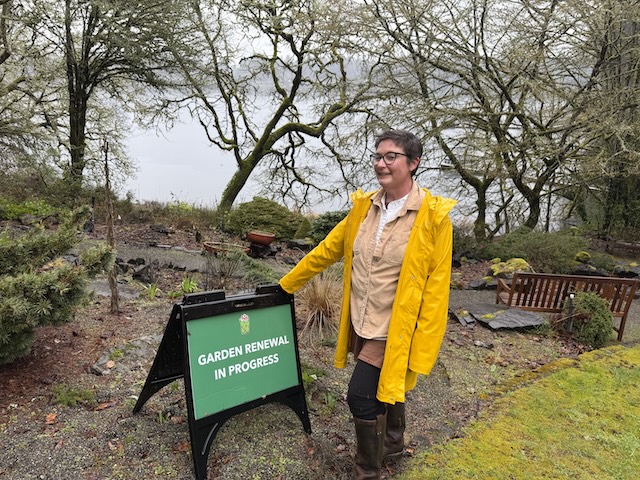
It is great to have had time to observe the space during the last few months while I’ve caught up on design programs. One of the most important issues for any garden is maintenance though—especially for plants to grow well.
Leaf debris and tree trimming are a top priority for the area where I’ll be working. That was plain to see when I was there at the end of winter.
The more you know…
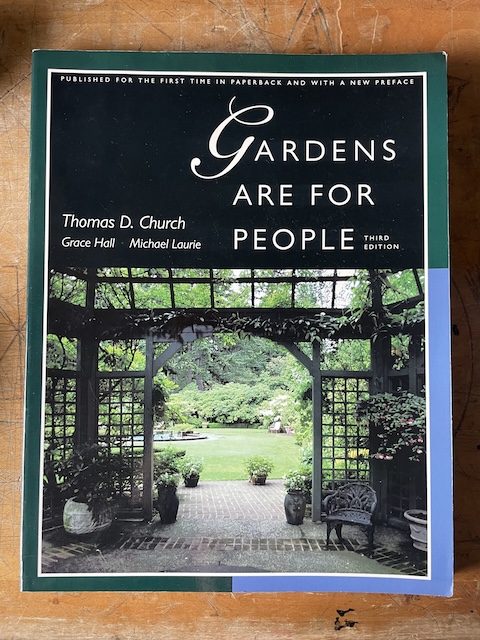
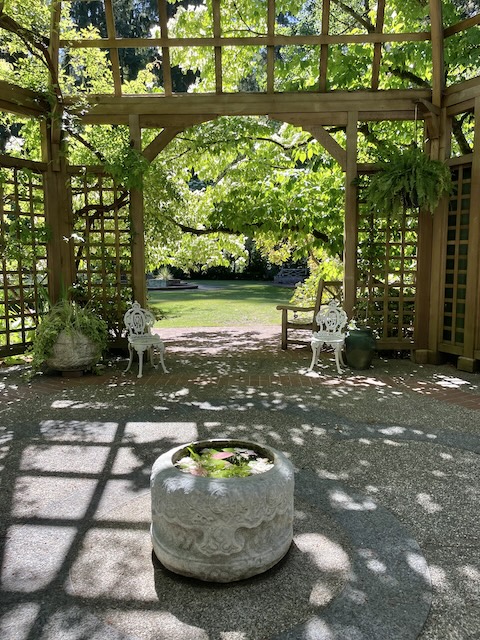
Some folks may recognize the garden since a photo of it was used on the cover of the book Gardens are for People by Thomas Church. It was relaxing to sit and compare the two images during my most recent visit, thinking about how the space has changed as the trees have grown. I admired the bowl display as well, something else Justin picked up from Chanticleer.
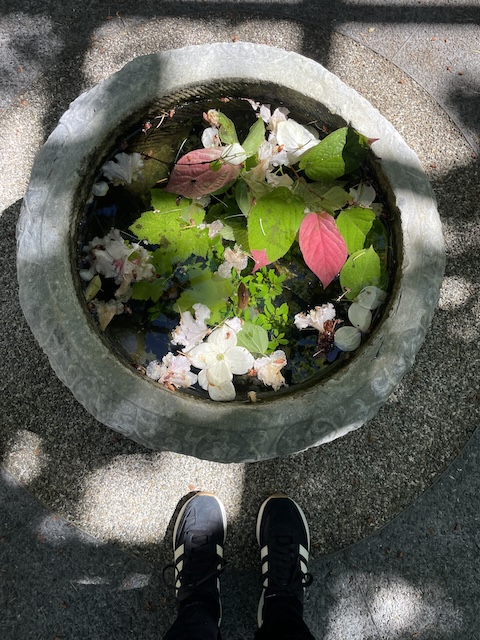
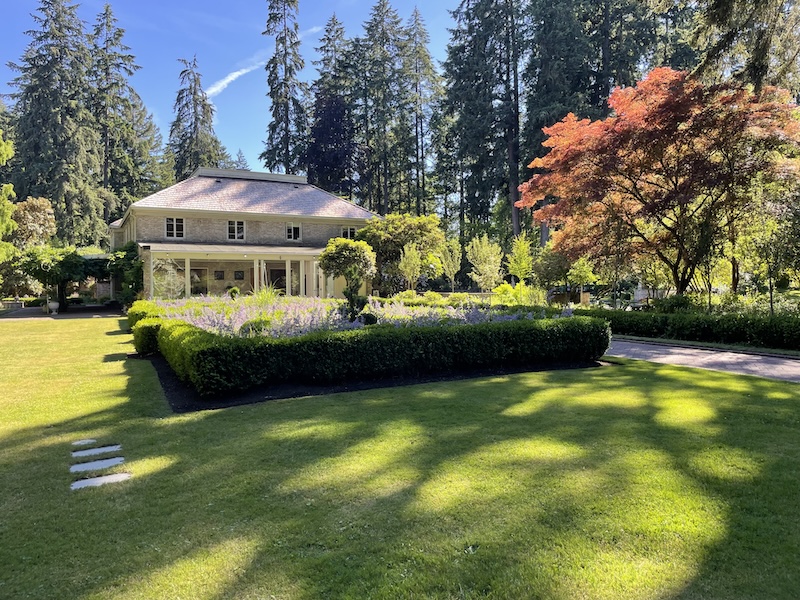
While Eulalie Wagner is considered to be the designer of the gardens, she consulted with Thomas Church quite a bit over the years and his touch can still be seen in the layout near the house, while plantings have changed.
It’s given me a great deal of pleasure to discuss this with Justin. How much does authorship matter now, and is it better to be more “respectful” of the original plantings and designs? What does the public want to see now that it’s no longer a private home? How are the spaces used and maintained?
Recently, I spent two whole days there watching how visitors used the spaces. I eavesdropped on conversations while they observed and discussed plant choices—and plant placement. I held my tongue as friends quizzed one another on plant ID. After one woman complained mightily about the rock garden area, I piped up and said I was working on it, and to come back in a year. As she and her friend walked away, they were excited, and discussed the possibility of volunteering.
That felt so so so good.
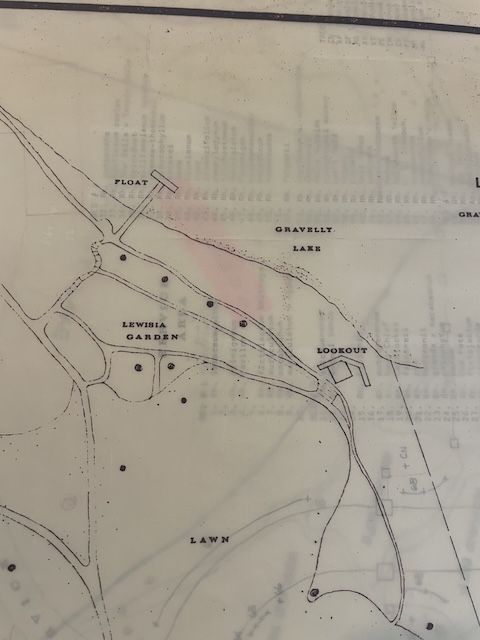
During the second day of that visit I was with my friend Jason Jorgensen, a designer in the Seattle area, and we sorted through maps with the help of Associate Director Niel van Graan. These can be used for digital plans moving forward, and were interesting to look at since they covered several decades.
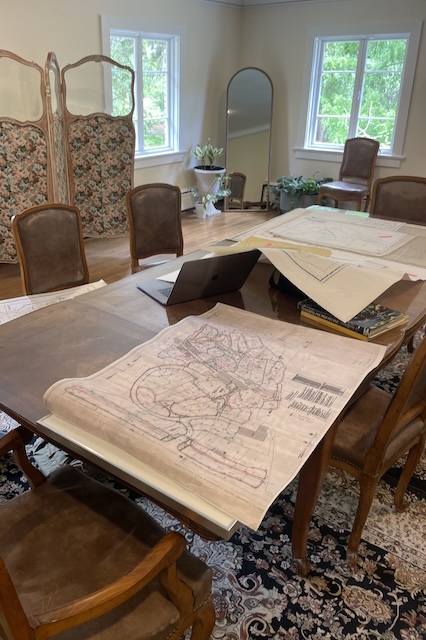
I may have squealed with glee when I found the Lewisia Garden on one of them. I already knew that my dear friend Baldassare Mineo had supplied alpine and rock garden plants to this garden many years ago when he was still running Siskiyou Rare Plant Nursery. It meant a lot to me to see this connection since I know his nursery was the best resource for purchasing those plants “back in the day”.
He’s like family to me, and our friendship is another reason I’m excited to take part in this renewal effort. It was meant to be…
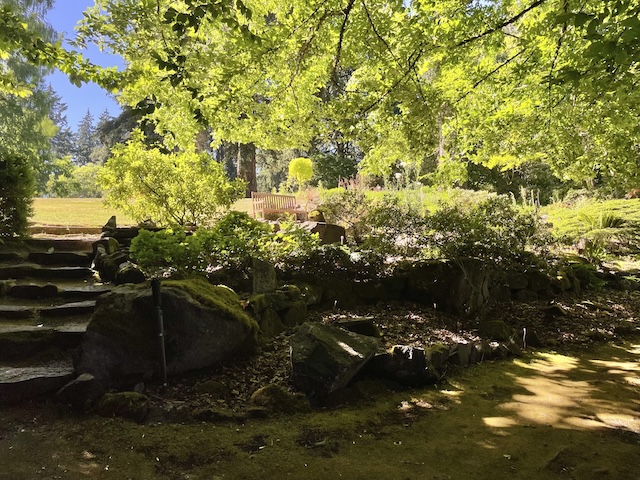
I took stock of the harsh light during that visit, and what a challenge it will be—but I specialize in plants. I know far more plants than I let on. I know where they come from, how they grow, where they grow and why. I’m ready for this. It’s exciting.
It’s time to bring these areas back to life, and I’m oddly proud to be the one making sense of one of the worst areas in the entire garden. But will it be static “pretty” space, or will it generate something more? Connecting the dots in the garden over time will really tell us more about how successful this revitalization is…
It really is quite a mess in several ways but more on that later…
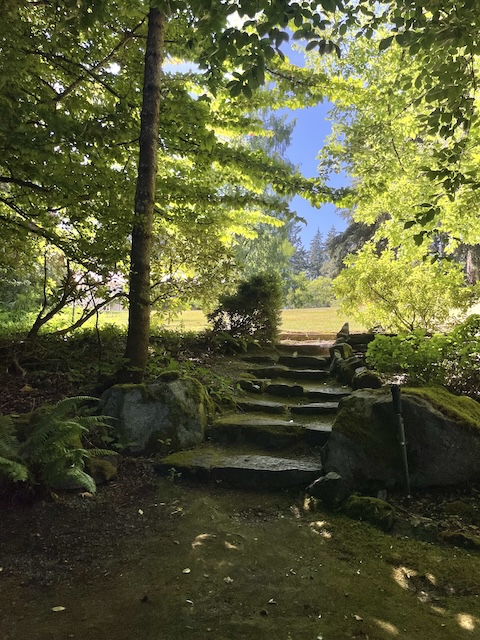
What do you think it will look like? How would you envision such a complicated space? I know I sure have a ton of ideas.
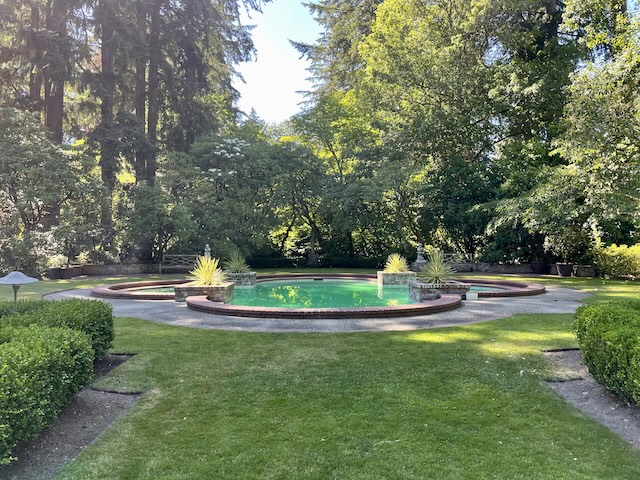
Beyond my assigned area, the pool is my favorite spot in the garden.
It’s another example though of an area that needs a planting change more inline with the future design goals of this historic garden. Originally, the planters had cloud-shaped azaleas. While this worked then, it’s not likely what will be added next. While they generally thrive in our region, the risks now associated with them put into question if the benefits of using them as ornamentals is even worth it.
This is responsible horticulture.
The parterres nearby are part of the Thomas Church design. Jason, Justin and I spent time pouring over historic photos of these spaces to pull out and discuss motifs that should be preserved and improved upon. Plant choices, topiary designs, things to echo.
Design comes alive when the past can be re-envisioned in the present with a twist. This is how you bring a garden back to life. Keep the heart of the garden going. It will be a lifeline to the future.
A day spent wandering around the garden with Jason was wonderful. We talked of so many design-related topics I forgot about greenhouses and my life back at home. Tickling my brain in other ways is always good. We worked hard generating ideas. At the end of the day, we regrouped with Justin and watched a wedding group from a distance across the great lawn. Again, we were still taking in the design, the perspective, the size of people in the landscape, and we watched how they used the spaces.
We probably should have packed food. If you know Jason and I, you’ll know how funny it is that we didn’t. At least we were able to eat a big breakfast. I honestly kind of forgot about eating once the process continued to unfold.
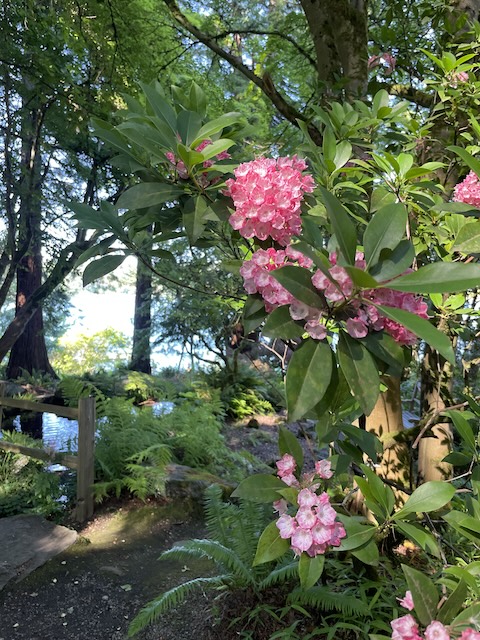
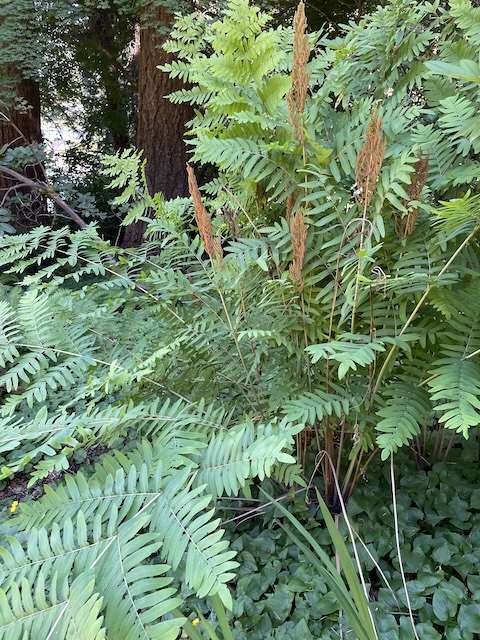
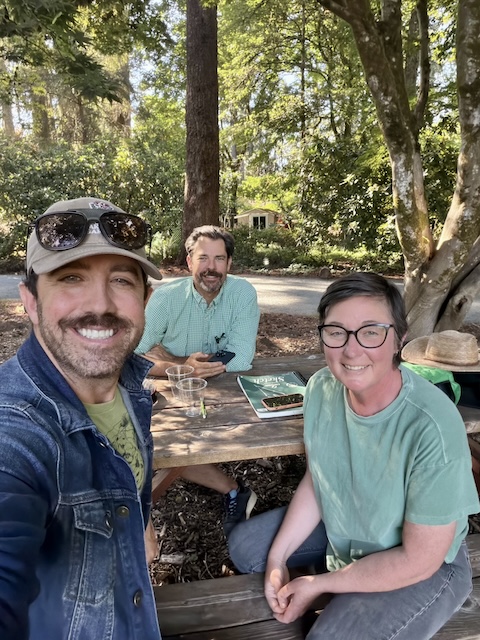
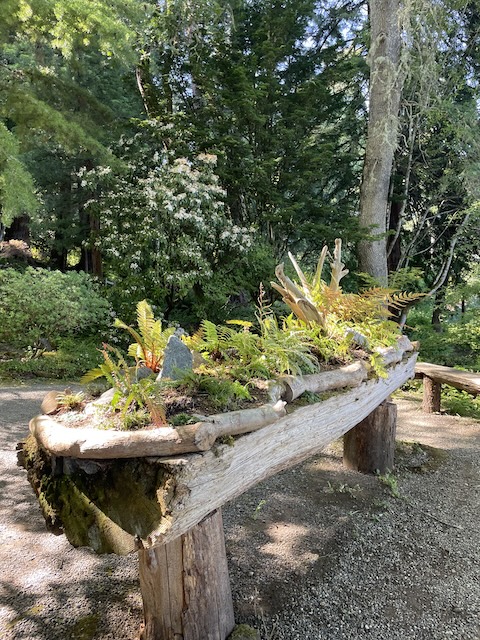
There are so many lovely spots in the garden now, and some are improvements on historic spaces.
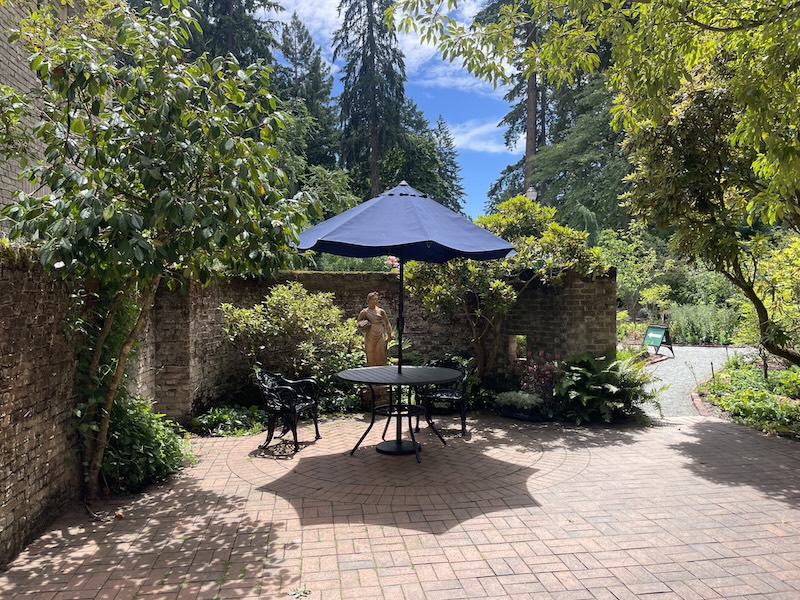
I’m always a sucker for a brick courtyard where I can drink coffee and read. Or chat with a friend. I wanted to take this home with me.
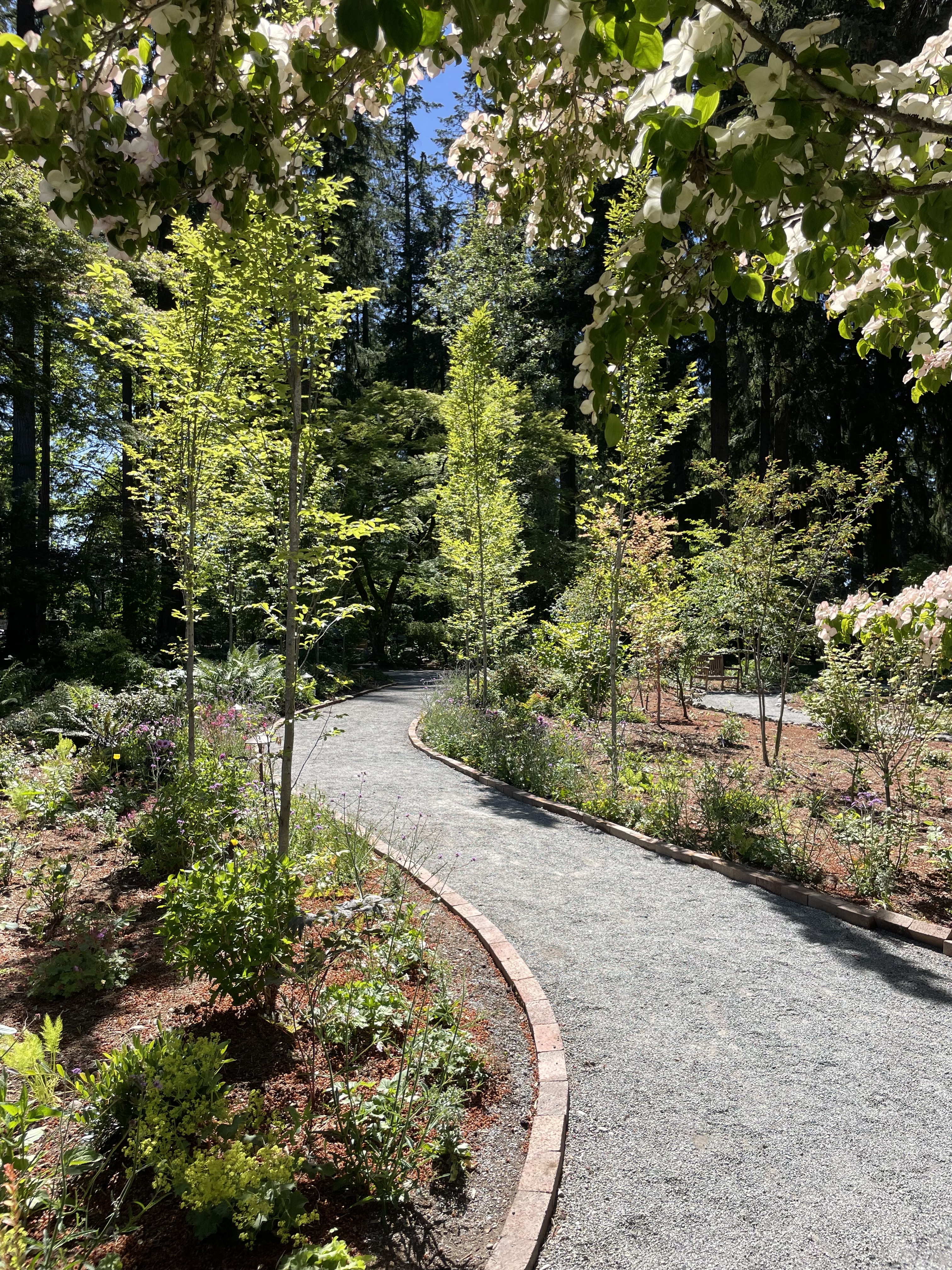
Then there’s a whole new entrance garden Justin has been working on to redirect traffic from the parking lot to the house. I feel badly I didn’t take more pictures of it. He thought through it for a long time, taking into consideration the experience of others as they approach the house.
It’s quite lovely and it’s difficult to imagine it not being there since it fits in so well. With some plant tweaks it will be crazy amazing, and I look forward to watching it change.
Time will tell how it fills out, and as it grows, proper maintenance will be key. (If only I could be in charge of that spreadsheet and plan hahahahahaha. I hope you’re all realizing just how much I DO enjoy horticulture.)
At some point toward the end of that last visit, Justin asked me as a nursery person if I knew where he could obtain some blue poppies to plant to re-establish the Blue Poppy Meadow.
But of course I did!
Just two weeks later he met me at my old place of employment to do a little shopping. Secret Garden Growers did not disappoint. Pat only had a flat left, but Justin picked them up and maybe I’ll help do some custom growing to make the meadow that much more magnificent.
I honestly forgot to ask about that.
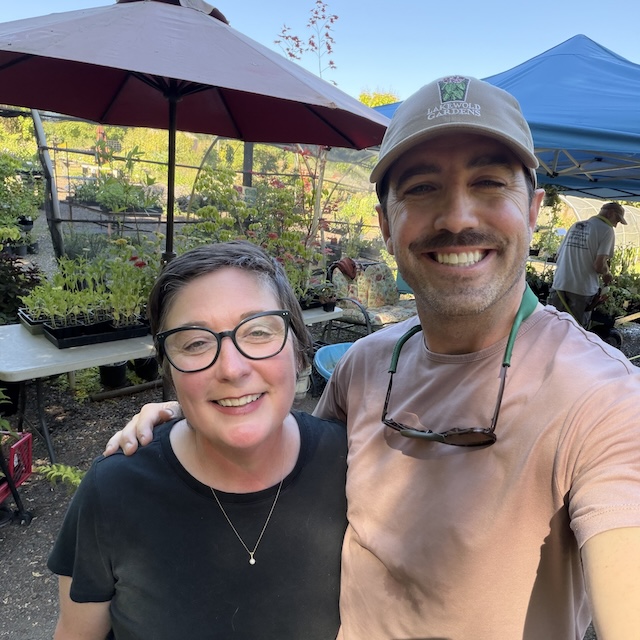
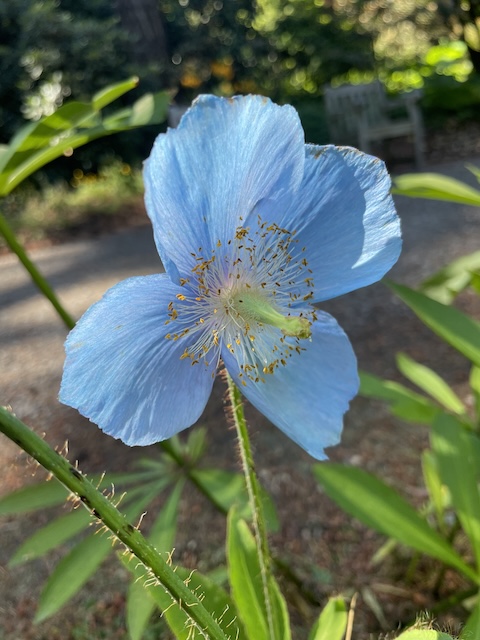
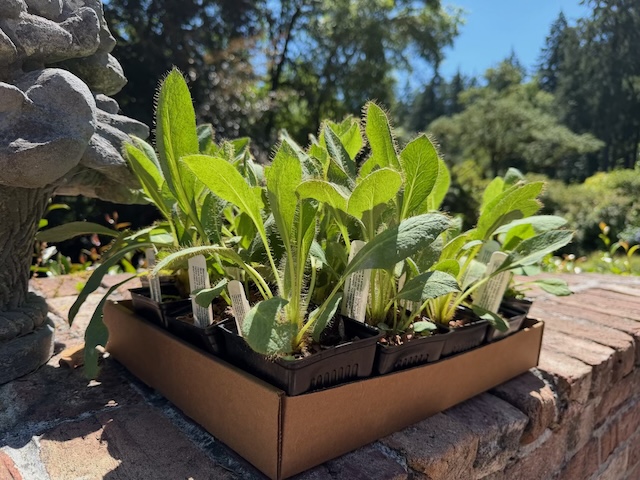
And I had to laugh a little bit about the serendipitous connection between my work life and ongoing reading back at home…
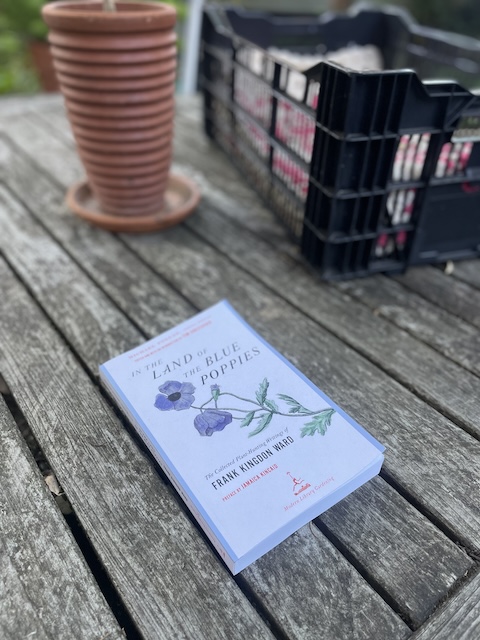
In the Land of the Blue Poppies by Frank Kingdon Ward has been floating around with me for a few weeks now. (If you don’t know this book, click the link.) All I can add is that it was much easier for me to find the blue poppies. We can thank horticulture for that and wacky folks at nurseries who continue to grow these plants for consumers. #yayus #yourewelcome
After we’d left, Jason and I had one last question that still puzzles us—maybe one of you can respond to it!
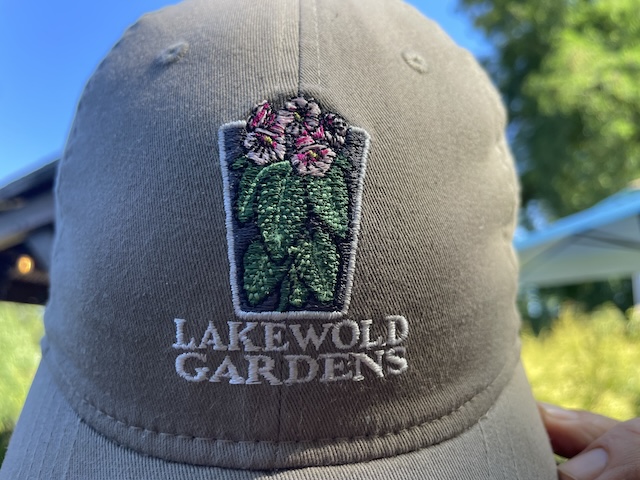
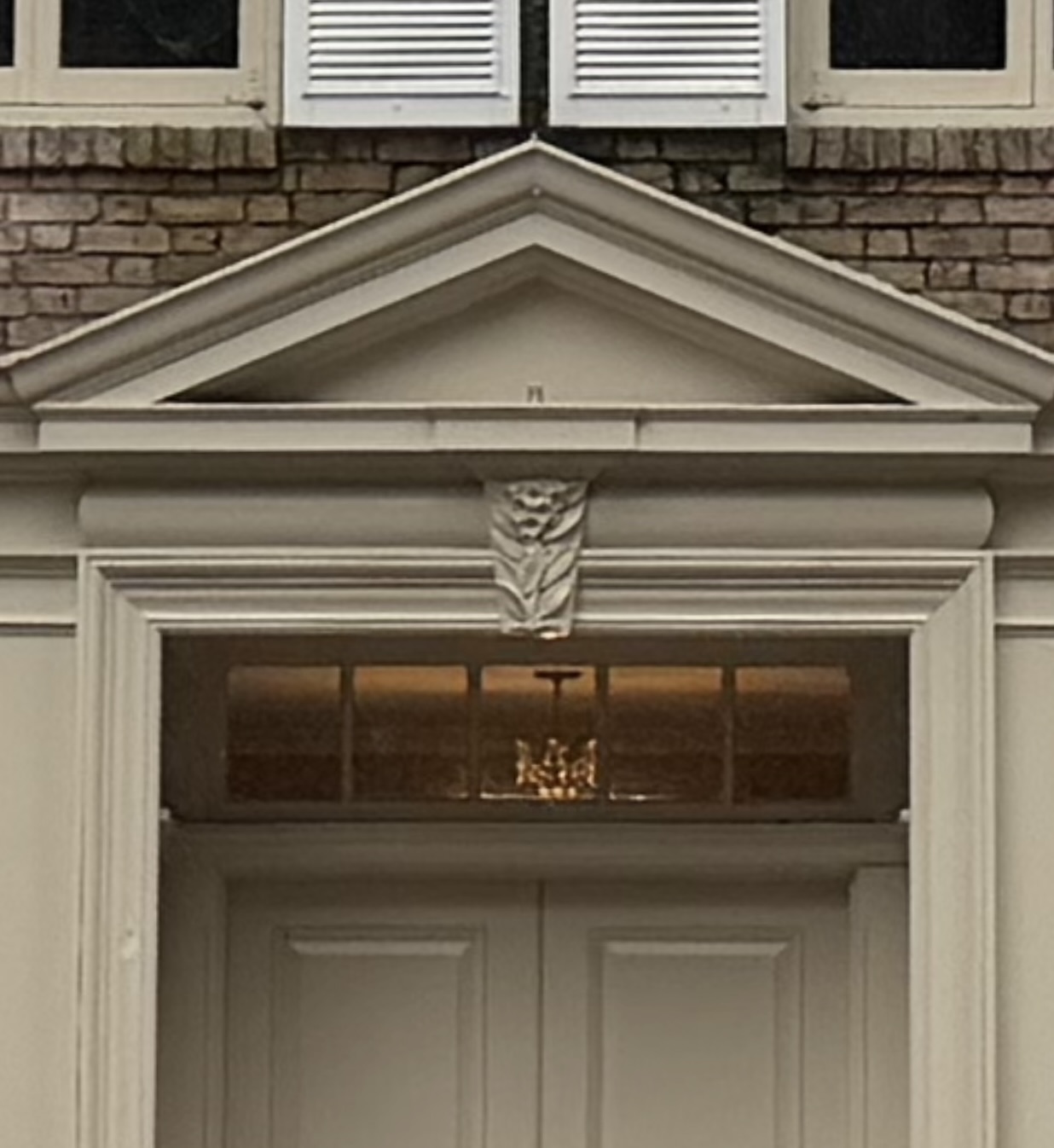
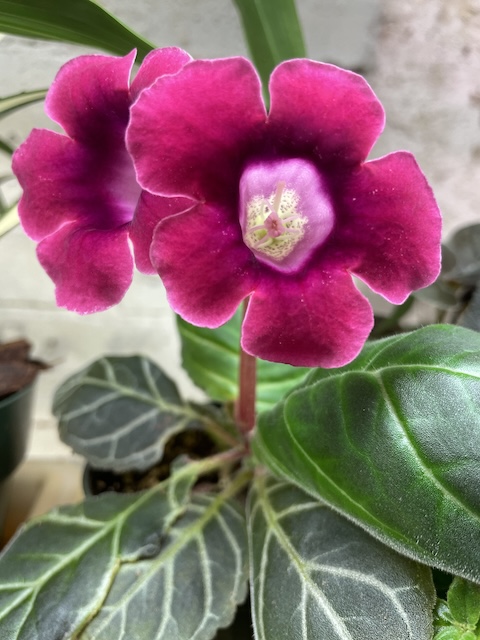
The logo of Lakewold Gardens is a gloxinia, or Sinnigia speciosa. Many of you likely remember my fondness for gesneriads coupled with my love of begonias and ferns. We texted Justin to ask about it, and he sent us the photo in the middle (below), with the plaque above the front door. While I know Eulalie participated in the Garden Club of America, I’m not sure if she was part of the American Gloxinia Society founded in 1951. (Today it’s the Gesneriad Society.)
Does anyone out there know the story?
Once again, this plant is kind of another fun connection for me to this garden, to its gardener, an avid plantswoman who loved to collect, and wanted to share her enthusiasm with others for generations.
Aren’t we lucky she did, and that we have this fun public garden just south of Seattle to embrace and enjoy? I know I for one am incredibly grateful, and am so excited to contribute to the pleasure folks will have visiting there in the future.
Stay tuned…


Leave a Reply