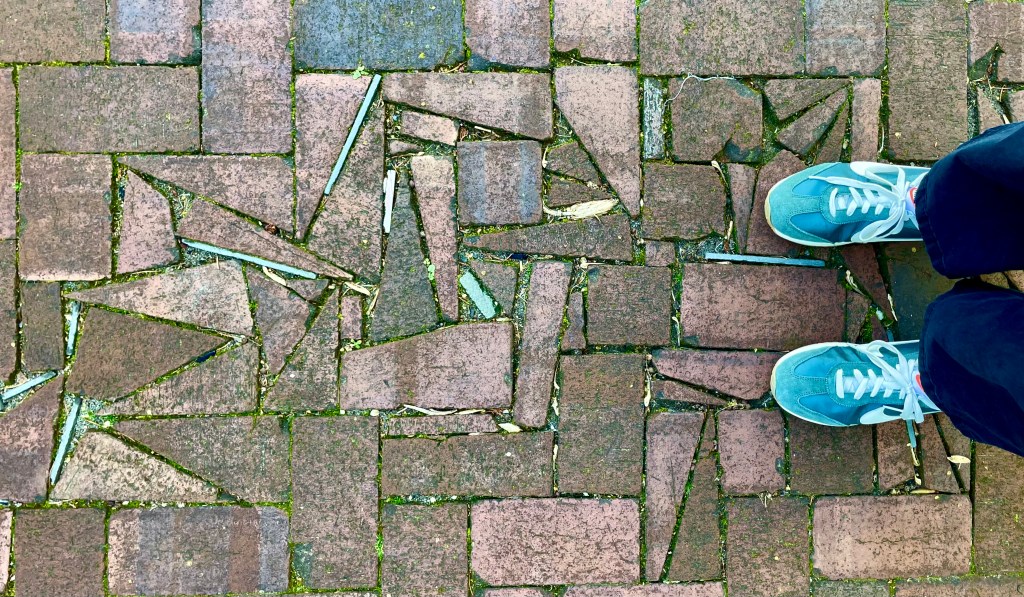
In the beginner’s mind there are many possibilities, but in the expert’s there are few. Shunryu Suzuki
This is not a topic I’ve enjoyed writing about—which is unusual for someone who double majored in English literature and art history and whom talks so much. As a garden memoirist, I’ve focused more on personal experiences, storytelling, and plant intimacy more than describing planting plans and topics like repetition, proportion, and color. If the gardener is happy, I’ve always thought, that’s great. Why argue about it or talk about them when they’re not there. I can only imagine what others have said about me, and so I’ve stubbornly insisted on avoiding the topic, or worse yet, issues of taste, but why?
Clearly, I’m a bit impetuous and feral—which I’m working to restrain, but it’s safe to say that this site, and what I’ve written up until now, has been as much about living with extremely complicated trauma as it has been about plants—maybe even more so. This site has kept me grounded.
Beginner’s mind was taught to me ages ago as a teen in high school by a Catholic priest who’d been raised Zen Buddhist in Hawaii. As I enter into a creative growth phase in my life, it’s been heartwarming to return to Shoshin. This has only just really happened, after years of intense personal work. I’m finally freely feeling again and it makes me so happy. Daily outpourings of what felt like gallons of tears are over, and the rawness from that is nearly healed.
During the last 4 years I’ve gone through an informal version of somatic regulation therapy with caring friends who’ve protected and supported me—especially teaching me to trust. Along the way, old friends joined in, and new ones took notice, wanting to contribute and commit to my growth. They’ve encouraged, and supported the process, while helping to lessen the load for everyone. When that started to happen, especially this last winter, the process sped up dramatically, and as I’m near the end, it’s wonderful to be able to belly laugh again, to sit in silence with complete peace buzzing in my bones.
I want to thank two of these friends especially for their understanding, and for literally creating a virtual private safe space. Their near daily support for years is kind of unheard of, but it’s what was needed, and I don’t know how to repay that kind of caring. Like everyone else though (interestingly), it’s always been about returning me to writing, and I guess I can repay them through that.
(For those of you whom somatic work is new to, I encourage you to learn more about it and if you have the ability, please help others like me in your life. I couldn’t have done this alone.)
So, if I could redesign myself in community, I think I can write more openly now about garden design. In retrospect, all of this now feels so easy.
As my garden design instructor pointed out, I design differently. This is due to many factors to be honest, and I’ve come to see when speaking with more intention to those designers closest to me whom I admire, they all have idiosyncratic pathways into their creative processes as well. During my recent travels, this has been something I’ve enjoyed asking people about.
This is not the time for me to exert my expertise about therapeutic gardening, acting like I’ve studied it, but I’ve lived it from the inside, and I will jokingly say I’ve been writing from inside of the asylum, but am not a case study. There is no way I will ever be rid of what I’ve lived through and survived. And truth be told, I design like a writer, through stories, feelings, and description. This has led me to think a lot about designers who frankly, write as designers. Honestly, they’re not my favorite writers.
Designs I’ve enjoyed for decades, or gardens that have touched me, have these things in common. Looking back I never connected all of this until now, but it makes a lot of sense. They are sensory rich, give off the feeling of immense safety, have a feeling of appreciation for the concept of ‘play’, there are plants chosen to show resilience, and at least for me, they’ve had some kind of gentle movement or sway.
If the garden owner made me feel unsafe, well, they were off of my list. (I’m sorry to say this because it has been very easy to scare me off, and those who maybe should have appeared unsafe, didn’t always. But I’m a better judge of all of this now thanks to the work I’ve done.) Since my judgements were so based in my trauma and anxiety, it’s no wonder I’ve kept so much of this to myself.
Good garden design, at this healed point in my life, simply needs to engage with all of my senses. And to me, somatic gardens sit at the crossroads of therapeutic horticulture and gardening, and nature-based therapy, which are both combined with artistic exploration. It’s no wonder that the gardens of Marcia Donahue and Shayne Chandler are two of my favorites.
Safe(r) human connection and botanical passion is what drew me to gardens, but it’s time to write differently. While Ann does love plants, I know more than I’ve let on.
One thing I’ve known for a FACT is that I was incapable of loving much of anything when I renamed this site. I was planting a dormant seed. I wanted the new name to be an affirmation, to inspire me, to speak something that felt impossible into existence. Oh manifesting. It worked.
My professional life as a horticulturist is still all about focussing on the plants—but it’s also about the other things, like refocusing on language, better communication, and best of all, emotional maturity and adult connections.
Perfection is achieved not when there is nothing more to add, but when there is nothing left to take away. Antoine de Saint-Exupery
My own garden has been created with a somatic approach to garden design—combined with my being a hot, hot, hot mess. For many years, I’ve really only enjoyed other gardens that have embodied the same principles, but, as I’ve become healthier, and stronger, my appreciation for all types of design has opened up again.
Plants—and wild spaces—have kept me present for decades. It’s why I’m running to them now. And only recently have I been able to step back and see how dissociated states have run my entire adult life. When I am traveling, or am hiking, or am somewhere new, I’m alert and alive and it’s important to re-imprint this on myself.
Over the last few years, this work with friends and others, while working, has helped me to develop deeper and more meaningful friendships again. So it’s no wonder my garden has slowly become less important to me. I’ve been in a kind of rapture really as I’ve opened up more.
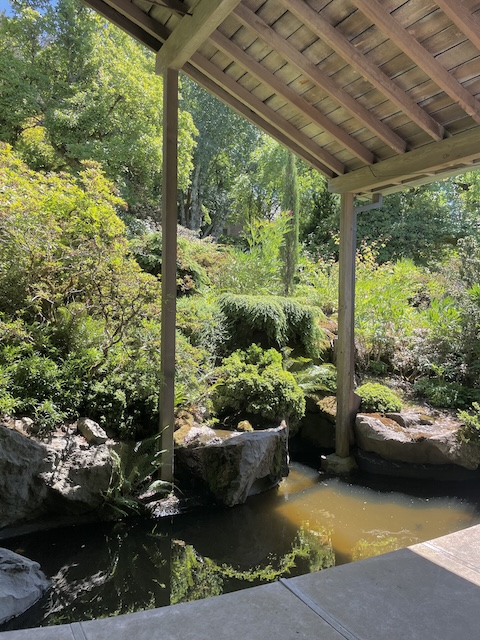
Long ago I wrote that “My house just happens to be in my garden.” For me, for my garden, it can’t just be external ornament or an afterthought. The blurred line between indoors (culture, family, and people) and out (freedom from people) has long informed how I’ve planted as well, chaotically, and more informed by emotional reactivity and immaturity.
But in my case I’ve finally come to realize that the garden has long been an extension of my nervous system, and not in a good way, while the house has not been a home since I’ve very much felt like I’ve lived on the fringes of society for so long. (Yes, and I also know this is not completely true as well.)
My redesign here at home will be about finding a different balance now between these extremes. Design a life. Design the space. I want to better curate my environment to match my core values with intention, comfort, and to encourage more of my own ongoing personal growth.
It’s funny to realize just how much I’m a poster girl for somatic style gone astray. I had no idea.
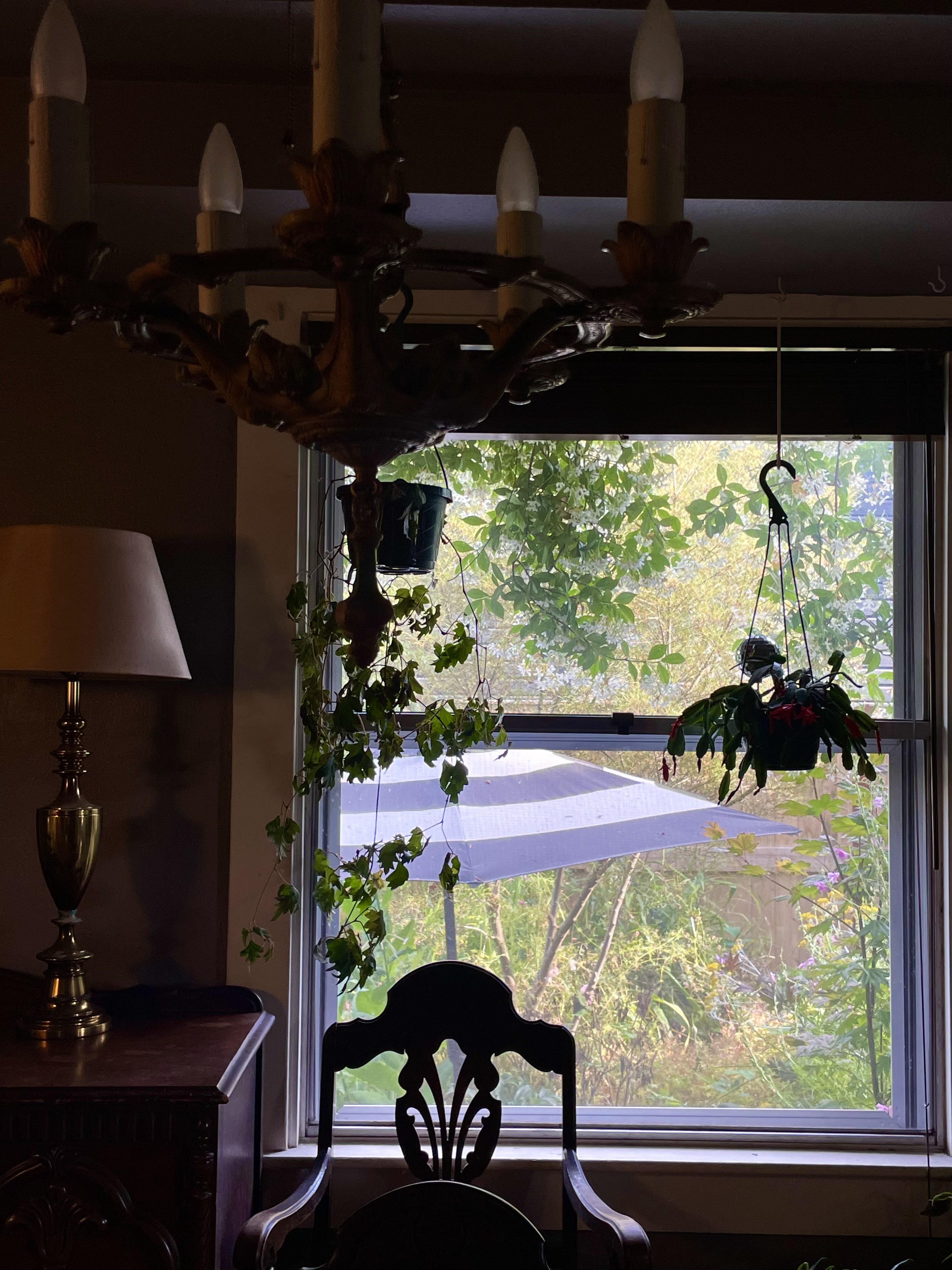
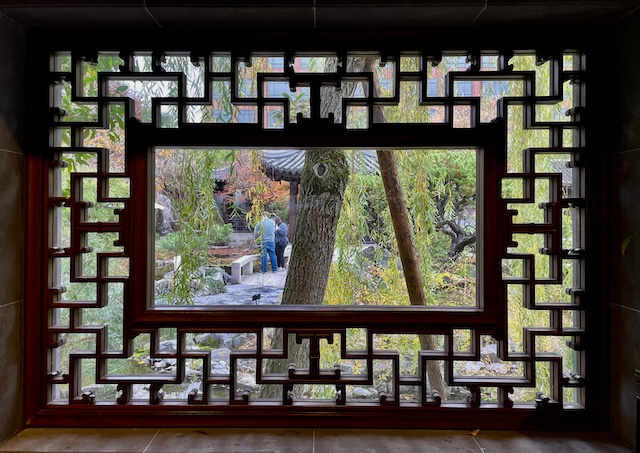
Invention, it must be humbly admitted, does not consist out of creating out of void, but out of chaos. Mary Wollstonecraft Shelley
There are several different issues I’ve had that have complicated how my garden has looked over the years. I’d like to share the list here since for many of you, these issues may also be relatable.
Plant Collector Syndrome
Affectionately named Campiello Maurizio: the Garden of One-of-each-ee, my garden design inclination here at home has been described as leaning toward dense botanical variety over minimalist, or mass-planted groupings.
I’m just going to add, that at times, like right now, it feels a lot like a plant hoard.
And while I enjoy collecting similar things to study and observe, there’s a fine line between that and the unhealthy energy that comes with the anxiety of maintaining a hoard. It’s simply not healthy to do to yourself, and reasons must be examined.
Some plant collections and collectors simply remind me of the cool kids from school who always had tons of the best toys. I’d show up to play at their homes, and would have to sit through a long lecture about what new things they’d acquired (and I haven’t) since my last visit.
Collecting for curiosity is great. Doing so for showing off and bragging rights is tiresome. I’d rather spend that time in a hammock.
The Italian Dream
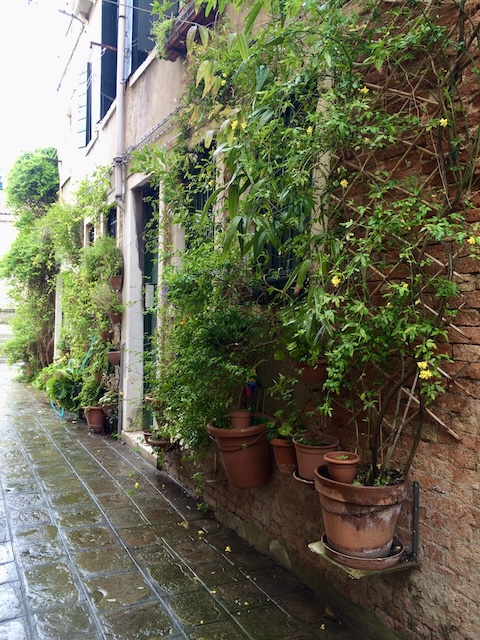
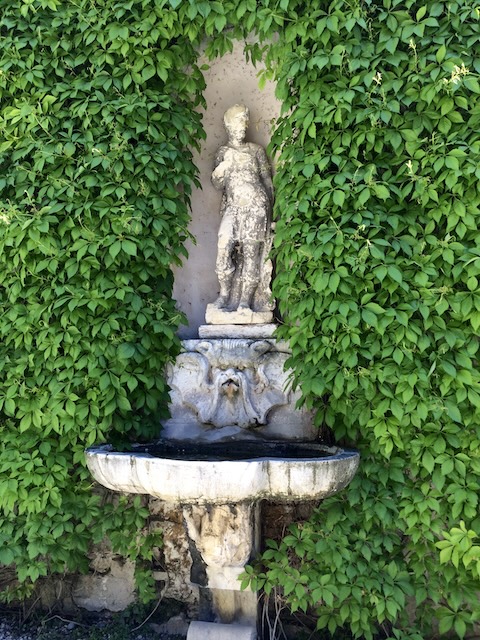
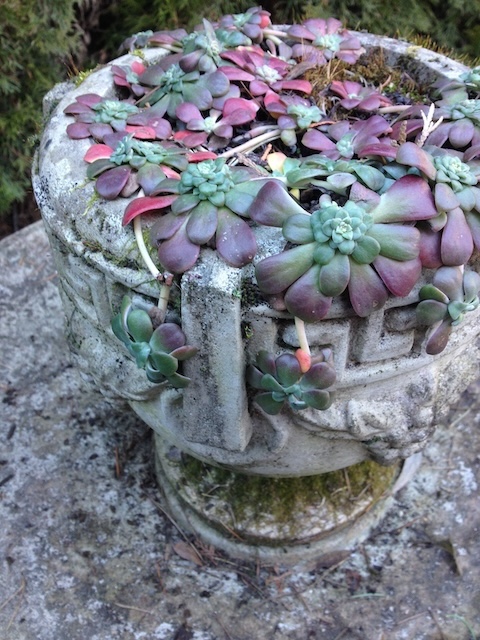
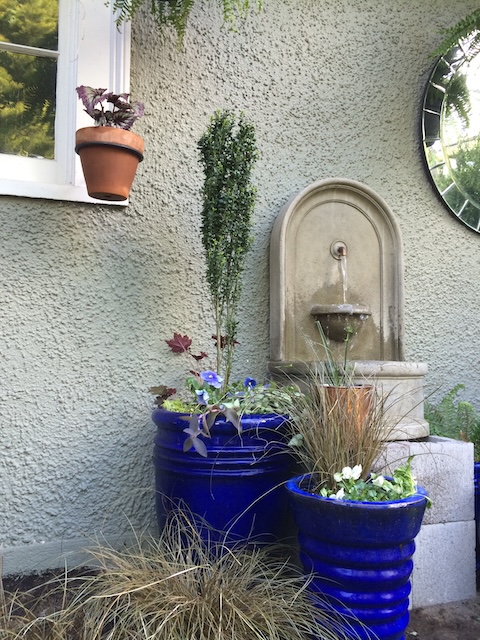
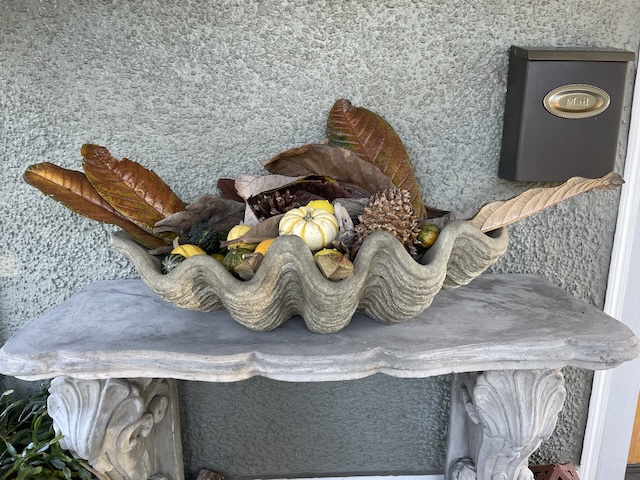
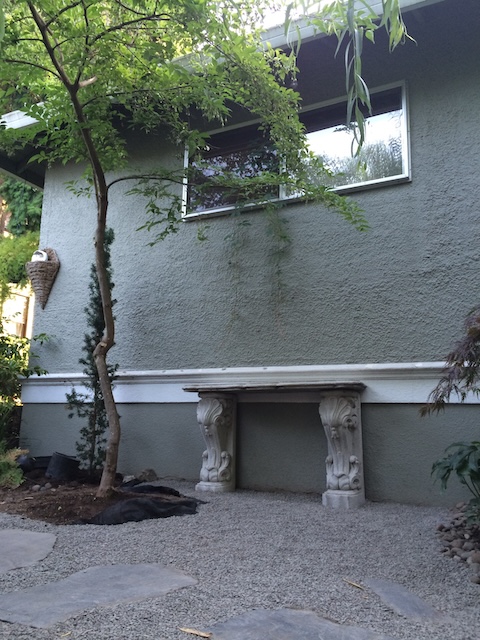
Just recently I was confronted again by a friend who reminded me that I’m American—not Italian. Sigh. I’ve said this before, and I’ll say it again. Both can deeply inform who you are, and in my case, there are specific private moments from my life experience and family that have deeply informed who I am through this heritage. The importance of it in my life is deeply meaningful to who I am, and how I see the world through both lenses—daily.
Part of that upbringing was 12 years at Catholic schools, where upon completion, I was awarded the LaSallian Award. It’s given to a student who best exemplifies the core LaSalian values: faith, service, community, and leadership.
A fellow former Catholic friend visited my garden once, and immediately saw and felt the contemplative nature of many of my areas. This also ties into my love of grottos and small alters. At heart, yes, I’m deeply spiritual, just not religious. But I’ve been disconnected from that for years too.
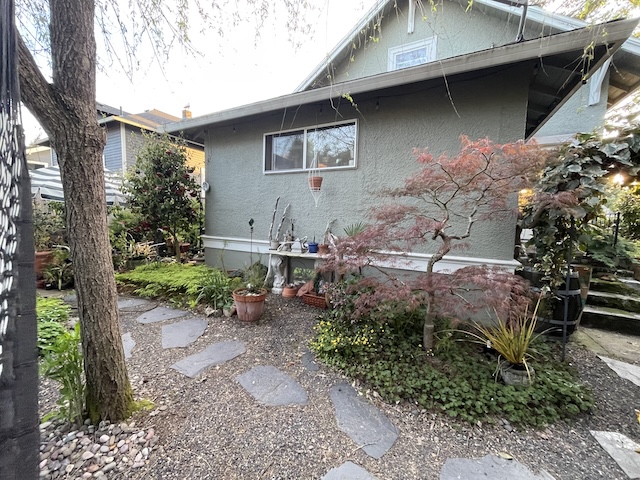
In the redesign, I’ll be leaning more heavily into this. (Photos above are my garden and a few photos from Italy.)
Not everyone understands this side of me though, and I groan whenever I hear about a Tuscan-inspired space. Please just call it an English garden inspired by the Italian countryside since many of them are (thank you Monty Don for speaking to this in your documentary about Italy).
While I have Italian-inspiration from my own heritage and life experience, this is a difficult topic for me to address and I think it’s one of those topics that should be discussed more.
Design is Static
It’s been noted too that human warmth, connection, and comfort have played into my design here at home. I’ve wanted to commit to favoriting strong and courageous plant choices, but I’ve been timid and tired. I think part of this hilariously I just realized when it finally sank in that I’m one of the most commitment phobic people I’ve ever met, and yet, I’ve hidden that quite well—primarily from myself.
“I love commitment.” Turns out, no, I absolutely do not.
I’ve planted for people, or at least it has appeared so, because I have little warmth, connection, and comfort close to me. This is all based on life choices and patterns in my private world.
So, I guess it’s time to commit to some plants. Since they’re not people, I should hope I can do this, and better yet, I have a chainsaw and know how to use it. But I will try to really love them before resorting to bad unhealthy habits.
“Off with their heads!!!”
The conflict caused by all of these ugly plantings no longer needs to distract me from the anguish of physical, emotional, and mental pains. I’m prepared to be vulnerable and I want to embrace more and more deep quiet. I need a garden for that.
Sometimes we just need to reflect on the real deep reasons we can’t get something together or “quite right”.
Modern and Smart
It’s not easy to merge my extensive interest in the origins geographically of plants, along with an education in horticulture, then adding a touch of admiration of those friends or acquaintances of mine who are even more adventurous doing national and international plant exploration and work.
Re-examining this now though, with fresh clearer vision, all I can think about is my writing style, how I create a narrative, and then the difficulty I have with the messaging and the need to simplify and edit, edit, edit.
Again, topics for the future. I can blend all of this into a design that could tell a story. I just need to do it.
And if you’re a Maximalist at heart as well, bravo for keeping it all together. You likely have the skills to replicate and match patterns better than I—especially when my patterns are stories.
Cobbler’s Children Effect
The loss of time for plants because of my professional work with plants ramping up has become far more intense since I started working at Little Prince of Oregon (LPO). It was always an issue when I was at Cistus Nursery and Secret Garden Growers, but it’s an intense problem now.
Once again, I’ve enjoyed talking to peers and mentors about this, and their advice and encouragement has given me some relief. The same answer continues to return. Focus on what you love, and edit.
Prioritizing Ecology over Aesthetics
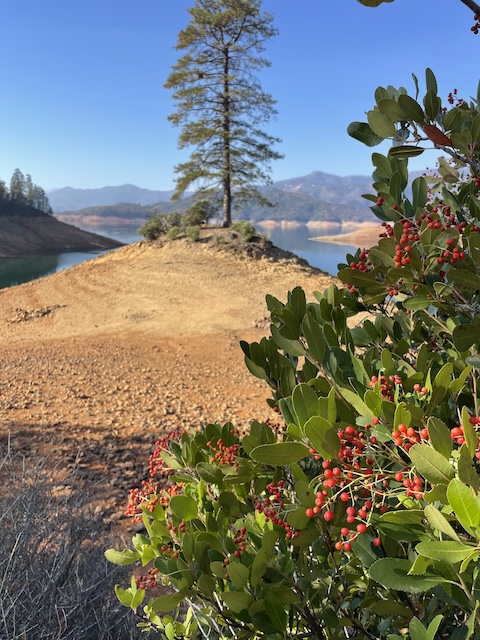
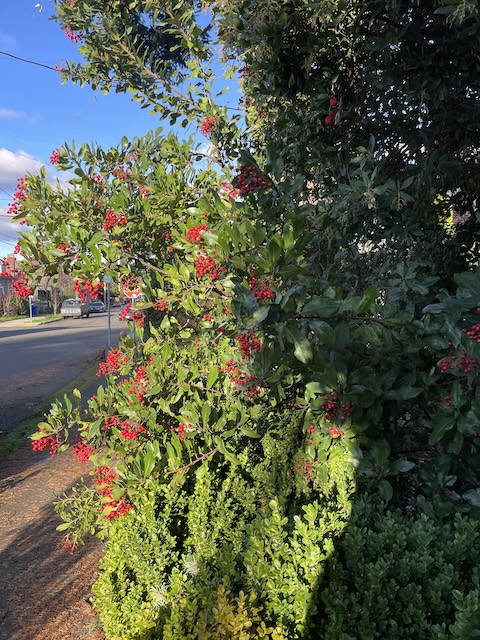
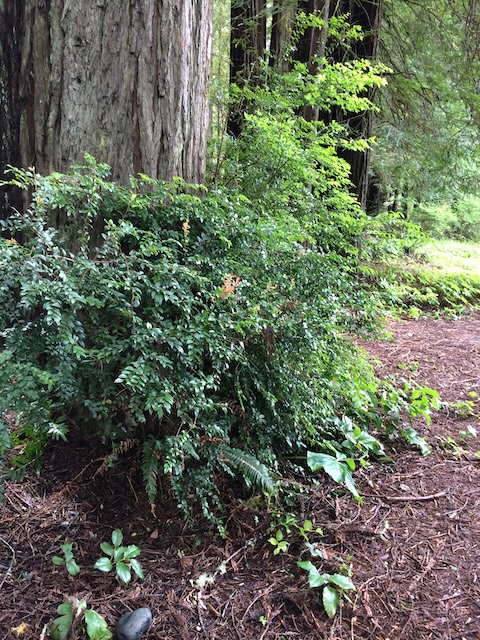
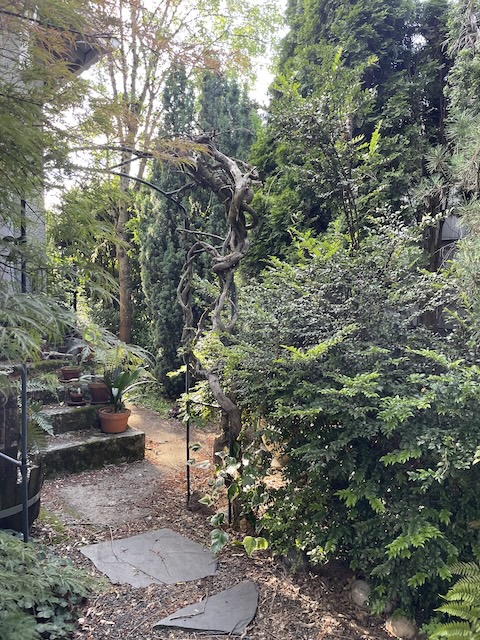
Having worked at home with regional native plants for decades now, this is also something I need to write more about. I think the current phase of younger and newer gardeners being far more interested in pollinators, native plants, ecological design, and sustainability is fantastic. I’ve cared about this since I started my garden, and before, when I wanted to study ecology at Duke University back in 1992. I wish I’d written about it more, but I’m not one to argue with others as directly as used to often happen.
Having watched this change in horticulture and gardening has been one of the happiest experiences for me with plants. The tipping of the scales in this area is important, but it’s also important to realize that as much as this looks and feels like helping, there’s still a lot of virtue signaling, performative behavior over performance, and shaming.
This is where I’m going to add that I love natives mixed with non-natives. I adore strict structure with no structure at all. Gardens ARE for people. They exist because of us and whether we like it or not, are artificial. Please be careful with the god-like ego-craving need to be seen as the Expert.
Another shift I’m seeing is from that of the all-knowing hero-worship of a few in my field to systemic thinking and community thinking. But this has meant a rise in influencers who are popular, at the expense of a great many who have worked in the profession for years, and whom are celebrated for their contributions—but their videos simply aren’t as entertaining, or they’re not as attractive and hunky or pretty.
The mob mentality has always meant something. And the technology we think of as empowering, may have simply been designed to lead us to believe that.
Critical thinking is where it’s at.
Frustration with Compromise
The compromise I live with here in my garden is that I’m not able to have the perfect landscape I really want that’s in my mind. Execution is always a challenge, but at this point in my career, and in my life as a gardener, it’s time to step up and do more. I have the knowledge and the skills, I have more emotional, physical and mental capacity. I can do this.
I’m afraid to fail again. I don’t want to be forced into a medical retreat or prison of some kind. I want to be alive and I want to feel.
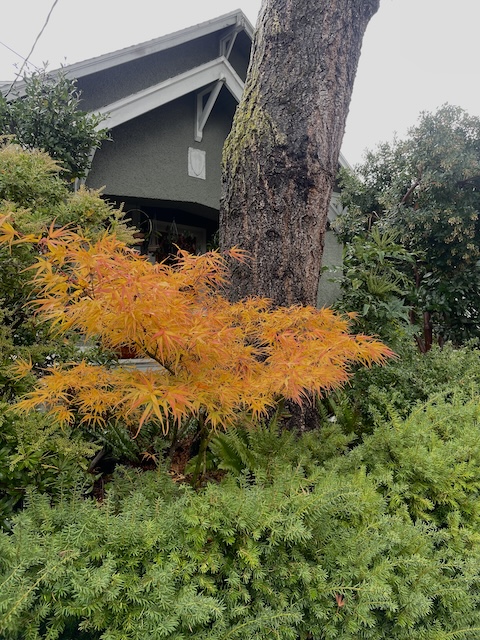
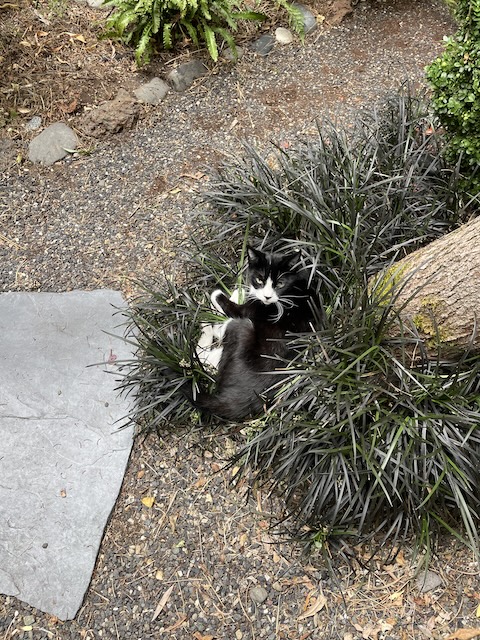
In Conclusion
My garden is my laboratory—with an emphasis on labor. Ann Amato
The physical layout of my garden is optimized to foster appreciation for textures, scents, and the presence of plants which surround visitors. Yes, good garden design is about the senses, but I also want to add that I’m not a very visual person. What matters more to me is touch. Being a horticulturist who loves propagation, as well as cooking, it follows that tactility is the heightened sense for me. I think the visual can be overrated.
My design philosophy here at home has always been profoundly personal, and I have treated the garden as a therapeutic refuge for processing chronic illness and life transitions. It’s exciting now to be working through editing that experience more, honoring what I’ve lived through, and where I want to go now that I have more autonomy and self-determination than I’ve had since I was a teen.
It’s embarrassing to write that, and it’s a horrifying nightmare to wake up at 47 and want to reconnect to the healthy self that existed that long ago, but it’s the journey I’ve made these last 4 years. I could never have done that on my own. Bridging that gap has been by far the most difficult thing I’ve ever done in my life.
I’ll continue to journal, but I plan to sketch more. It’s time to lean more deeply into my vast and wide plant knowledge repository that’s been created and tended to but is rarely shared. I have spent decades studying plants. It’s time to weave that knowledge into my designs too—beginning here at home.
Like the first public garden design I’ve been asked to work on. I’m so excited and ready for that… More on Lakewold Gardens soon.


 Ann Loves Plants
Leave a comment