“Keep busy with survival. Imitate the trees. Learn to lose in order to recover, and remember nothing stays the same for long, not even pain. Sit it out. Let it all pass. Let it go.” May Sarton
For months I’ve been waiting to go on a series of trips. This plan began a year ago, after graduation last June, but I needed time to plan and better understand what needed to happen. How could I continue in horticulture with more autonomy and a stronger sense of purpose and identity?
My parents are still with us, in their mid-80s, and it has given me great pleasure to see them watch me grow into more of who I should have been. No one likes to see the sadness in others’ eyes as they look at you, having once had so much hope for your future, as they become resigned to watch you perform the bare minimum. Hereditary angioadema Type 3 has not been kind to me.
While rebuilding my life during the last 4-5 years I’ve had to pick and choose what I’ve missed. Adult me has been an abbreviated version, maladjusted, a persona created to hide the incredibly far reaching and profound deep emotional pain. I’ve beaten the drum of anger, frustration, and cynicism for so long, it’s felt good to carefully retrieve the softer, quieter parts of myself. The last 8 months have been intensely emotional and freeing.
Salvaging the sacred bits has felt like a treasure hunt. Sometimes I think about something I want to do or be again, and I gasp at the thought. Venturing out from hiding is like walking on thin ice. Will I fail again, crash through? I still don’t have a lot of self-trust. Only in the last month have I finally started to see how often I dissociated because I had to in order to survive the traumatic stress of constant swelling, most often in my brain. Dissociation is a scary way to live, and because of it, I slowly lost my sense of identity over the years. But I had to cope, and that required disconnecting to escape unbearable physical and emotional pain.
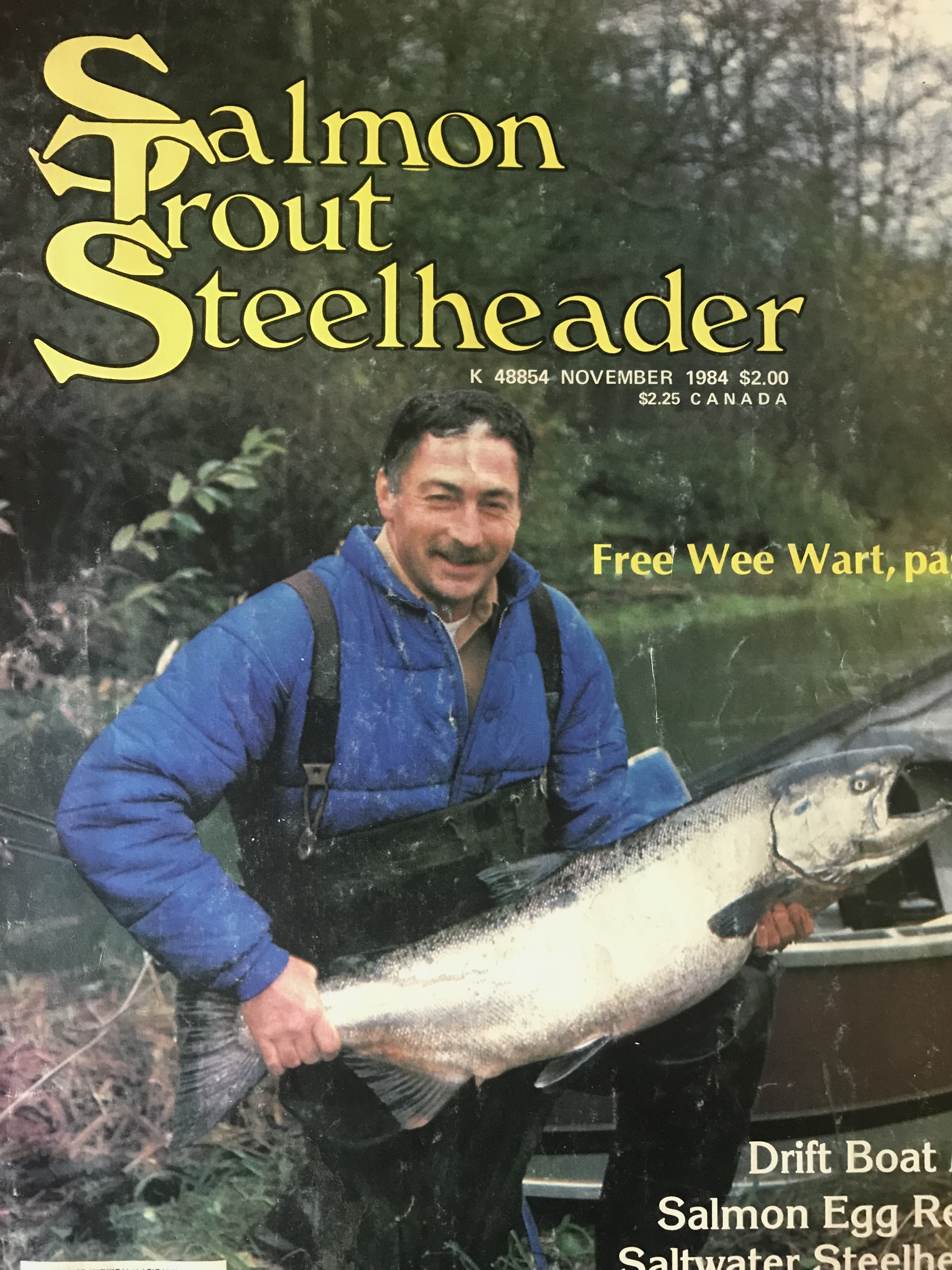
Without going into lengthy detail, the family business that made my father semi-famous, leading him to be invited to Chile by Pinochet when I was a girl to encourage fishing tourism, is not at all the behemoth it once was. The internet has changed media, and while I was always the daughter never expected to be the male son who’d take over, it’s funny how things worked out.
I’ve done ok online with my own site, and it turns out, I’m a plantswoman now who was raised to be an outdoorswoman, and would have been more of one, if there hadn’t been gender jostling in my family that I’ve had to deal with since I was born.
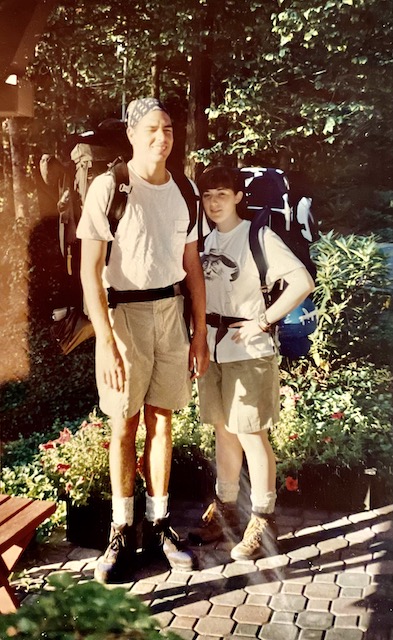
Suffice it to say that my mom wanted me to be like her, and I was prevented from being able to travel and do outdoor activities with Dad. There were so many fights about this and I still laugh that at 14, one night at dinner, I demanded to be sent on a youth backpacking trip. After that, I continued with my long-distance running and backpacked whenever possible. I dreamed of an adult life of decades more of this… but it ended when I was 22 and had hiked up Mount Saint Helens. My legs ended up swollen and purple, and from that point on, walking and standing was challenging until just a few years ago.
I was allowed to become an intellectual like Dad, a consummate reader and academic achiever, but that was never something Mom encouraged me to do. Grandma Virginia, Dad’s mom, was always a force in this too—though Mom is now very proud of how hard I’ve pushed, she said back then that being too smart meant boys wouldn’t like me.
Being told I was girl and couldn’t do this or that is something that still horrifies me. Not being pretty enough, or being too strong, not being quiet enough, or demure. No man will ever love you, women won’t like you… I’m happy at least that my family had a few strong women, so it’s easy to defend genetically. I simply cannot help it, and yes Lady Gaga. I was born this way.
As a teen, Dad took me to the office one day to say that he’d do anything for my college education, that in a sexist world, the best thing he could do as a father was to educate me since sexist men hated educated women more than anything else. A few years later, this plan of his led to me writing a book during my senior year in high school that our company published.
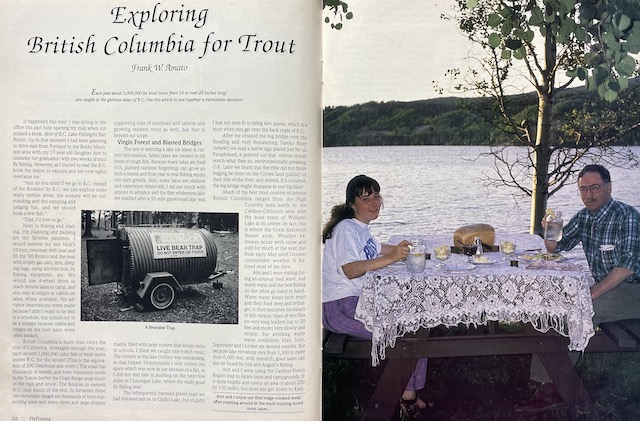
Dad then launched me into the world in the magazine with our adventure to Canada. It’s what was within his control to aid me. But just a year later I was flunking out of the private college I loved so much… no one really understood.
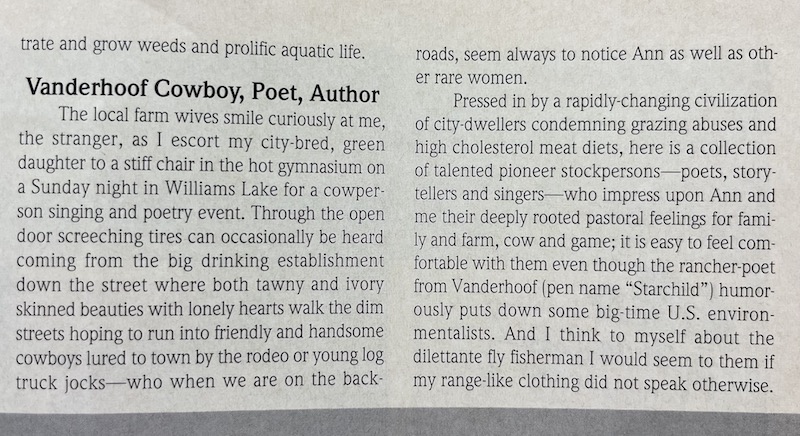
There is a family legacy to uphold, and as the only daughter, I was never expected to be a big part of it. Yet somehow, I’ve become the child who cares the most about conservation, politics, writing, history, and culture—just like my father. It’s funny sometimes how patriarchy can backfire.
So my story with plants will always begin at the water’s edge, where I will trace things. Where does this stream come from? Where does it go? What lives in it? What living organisms depend on it? What is its geological history? When Dad and I went to BC, it was to follow the Columbia River—beloved by both Dad and I—to be near it, to see it, to know it, to feel it, but we also wandered away from it too, exploring.
Like the plants I’ve chased for years in cultivation, “But where does it come from?” This is always the quest. When I look at almost any plant, my mind will always expand out with the knowledge of its origins.
I was often trapped at home with mom while Dad and my brothers were off free, I did enjoy going to nurseries, but I didn’t enjoy decorating the garden with plants.
At home, you’d find me clinging to the edges of Mom’s world, trying constantly to cross over the property line. Where cultivation touched the disrupted and disturbed natural world is where you’d find me digging. The area was no longer native and pristine. I lived in the altered and forgotten areas next to Kellogg Creek, where I made and maintained trails on the previously logged property next door. I spend years bushwhacking, dreaming of the time when I could be off somewhere in a wilderness like Dad.
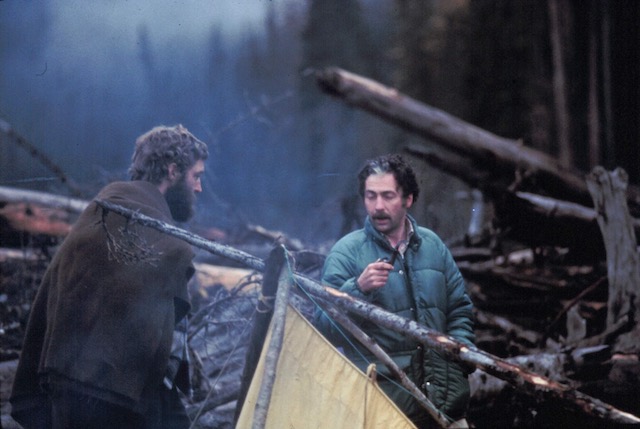
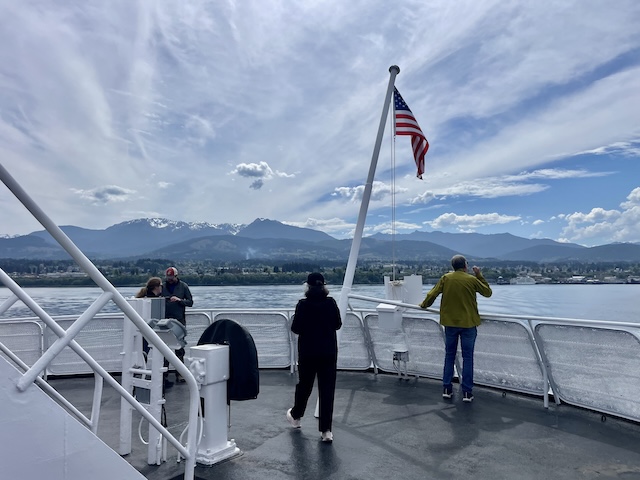
Last week I returned to British Columbia for the first time since that trip with Frank Amato in 1992. We spent a month there together, on a roadtrip, with a small drift boat in tow. Some nights we camped, others we stayed in motels. We had no real plan and we made it as far north as Williams Lake. And I rowed that little boat, hoping to be on the rowing team at college, the one that I was never able to join because I just felt so mysteriously and physically unwell only months later…
Dad and I could travel like that indefinitely we’re so alike, and just last night I expressed to him how hurt I still feel that I wasn’t able to do more with him as a girl. He understood and nodded. The feminist fight I still feel in me stems from that existence as a female child. These last fews weeks I’ve been working hard to let much of that childish anger go. It’s time for something else.
It’s been painful to realize I stayed away from Canada for so long because of the traumatic failure I experienced not long after. I lost my capacity to easily read, write, think, and function. I’ve come to realize that this trip to Canada was my first real dissociation of a good memory. It has taken me decades to be able to be well enough to process the extreme distress I lived through after my book was published, I was lauded, and I had to leave the incredibly talented classmates I’d met. And I’ve only recently realized how often I’ve continued to dissociate, but I’ve been working to stop that too. Learning healthy coping skills at any age is always good, but some days I dwell in the shame of all of this. I keep telling myself, it is not a personal failing, it was a survival response. I was doing the best thing I could to protect myself.
So, when I met the crevice garden builders at Cistus Nursery just over 4 years ago—Paul, Kenton, and Jeremy—I couldn’t understand the panic I felt, the urgency, the emotions—but I understand it now. That was all from the medical PTSD, the unprocessed emotional pain. Meeting them connected me to a past I’d avoided fully revisiting, the world of seeing alpine plants in situ. It is what would have led me more directly to horticulture. Paul and I spent a lot of time talking about BC, Vancouver Island, fly fishing, and I said I’d visit, and I am so glad that I finally did. And while we botanized, we talked about identity and purpose. I can breathe deeper now. I feel reconnected in the way I had hoped I would. We all deserve to feel that kind of connection to our true selves.
I felt no symptoms at all of the PTSD on my trip, so I know I prepared well, and will keep working on this as I visit other places.
“A river is water in its loveliest form; rivers have life and sound and movement and infinity of variation, rivers are veins of the earth through which the lifeblood returns to the heart.” Roderick Haig-Brown
Garden and fishing literature are closely entwined, and one of my father’s literary heroes was a man named Roderick Haig-Brown. He was from England, but lived and wrote on the Campbell River in British Columbia. Dad always wanted to discover the next new writer like him, to sell the next best-seller, and he always hoped I’d become a literary nature writer, conservationist, and educator. I wanted that too, and it’s no wonder I ended up where I am—even if it’s been a long journey.
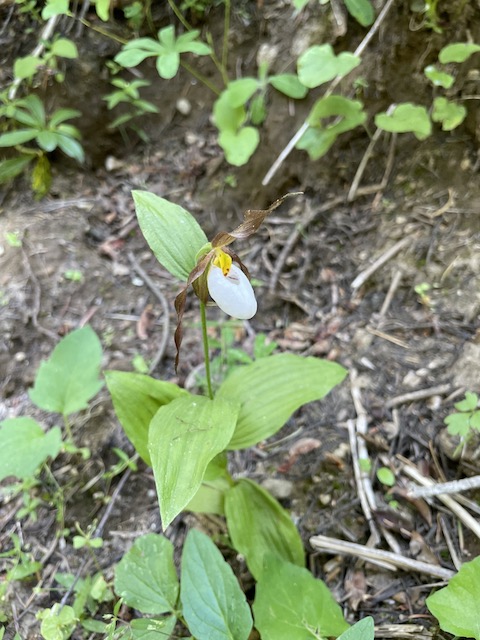
Haig-Brown was one of the reasons Dad started a sport fishing publishing company, and he was lucky enough to work with and meet his hero. Mom and Dad even went on their honeymoon in Campbell, BC. When I return, I will fly fish for steelhead and stay at his former home which is now a bed and breakfast. It gives me great pleasure to also know that while on any fishing trip, I can also wander off to look at plants. I have made the necessary friend connections to do so. All I need is my proper plant tribe, and we are kind of everywhere.
I hope I’m making it clear that I actually do enjoy fly fishing. Why this was ever something to debate between my father and brothers is a mystery to me, but sometimes it’s ok to not be as obsessed about something, and still deeply enjoy it. I was not given the same opportunities, I remember being teased and made fun of a lot, and maybe as a woman, I deserved the space to enjoy it in my own way, maybe a bit differently than them. I feel this way sometimes too in the world of plants where I am often the only woman in a group of men. The fact that it’s a mix of gay/queer and straight plant “sportsmen” offers some variation though. Talking with Dad and my eldest brother last night I brought up the Smurfette principle. It’s nice to know we can have these talks now, and even laugh a little. I always did love The Smurfs.
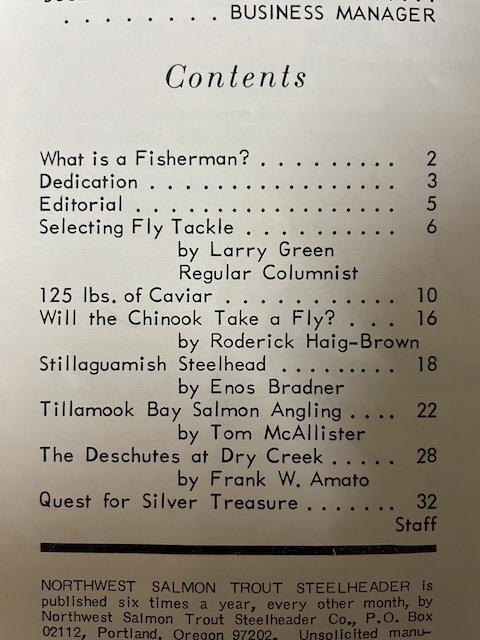
After I fell apart and dropped out of college, for many years I worked for the family business. This allowed me the freedom to edit at home, and I had health insurance. I did a terrible job at it though with my inability to read and think well, but I could do it while lying down. My muscles atrophied because of this, eventually leading to the falls that injured my spine, more unproductive “rest” and to the physical therapy I still require.
Meanwhile, I watched from afar as my childhood friend Hannah Chloë—daughter of Ken above—grew up toggling between living in the northern wilderness of BC at a fishing lodge with her parents, while spending winters in Vancouver, to transition to a life of guiding and various other interests. She has long been my sister by another mister, and as two women, it’s been good for both of us to make sense of having the upbringings that we did. Her parents ran a fishing lodge in the wilderness, my dad was a famous fisherman. So many men have dreamt of living like them.
In my case, few people realize how complicated it was to be the child of someone who was semi-famous. During my first month at college a very handsome young man from Tennessee sweetly asked me to marry him when he realized my dad was Frank.
Our biology instructor had told our entire class about him on the first day of school after he’d seen my last name and asked if we were related. I’m glad that’s happened less and less over the years. I sometimes felt small when others asked, diminished.
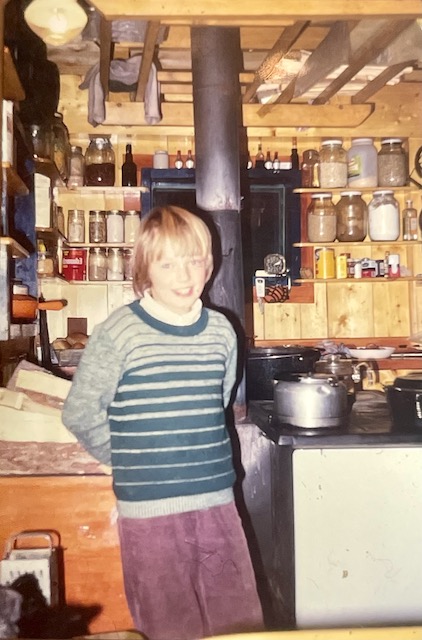
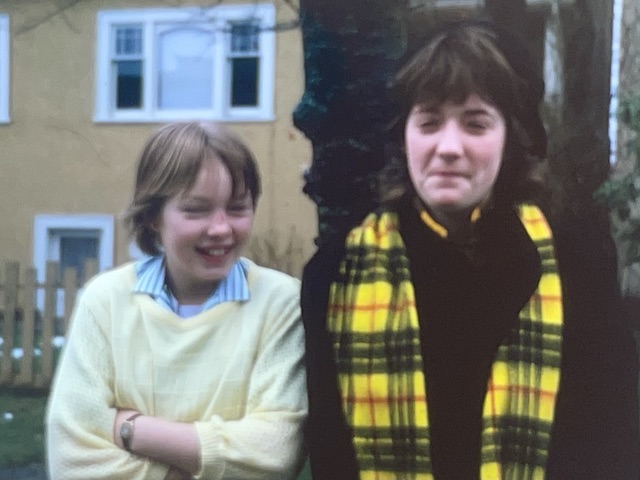
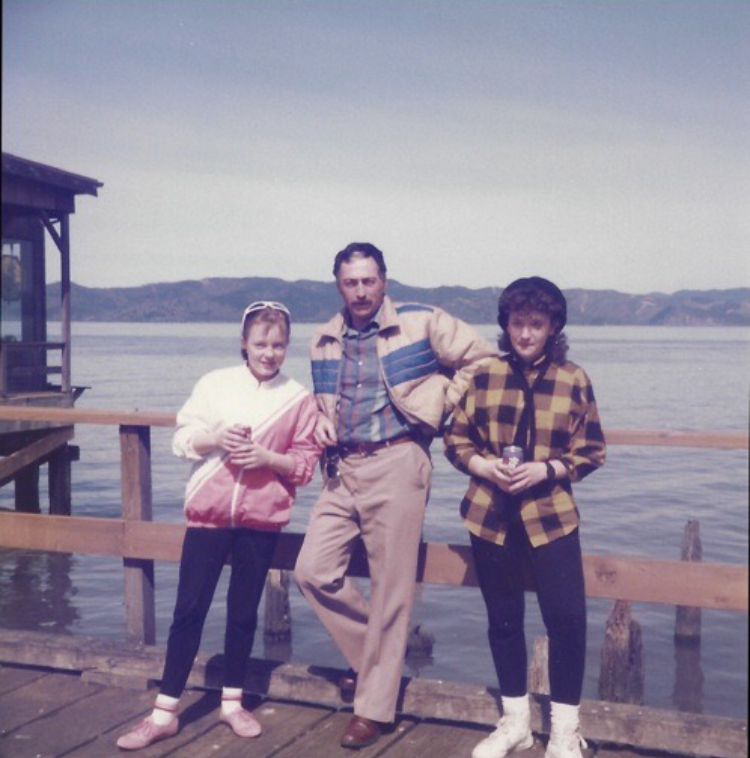
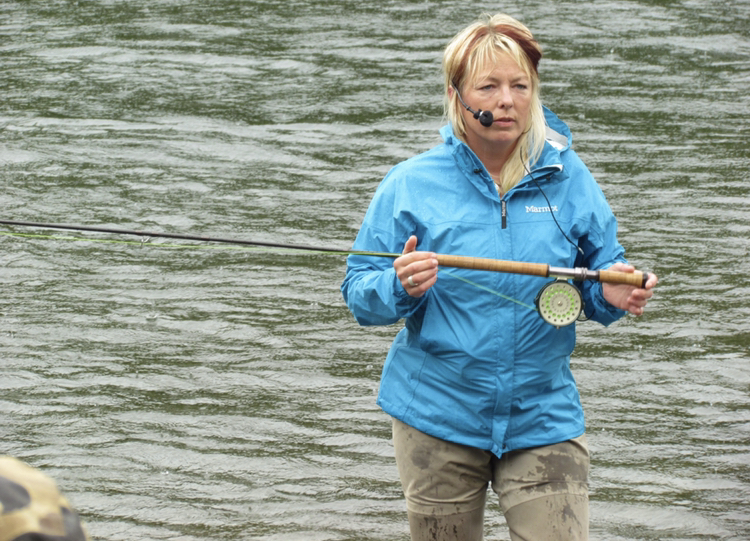
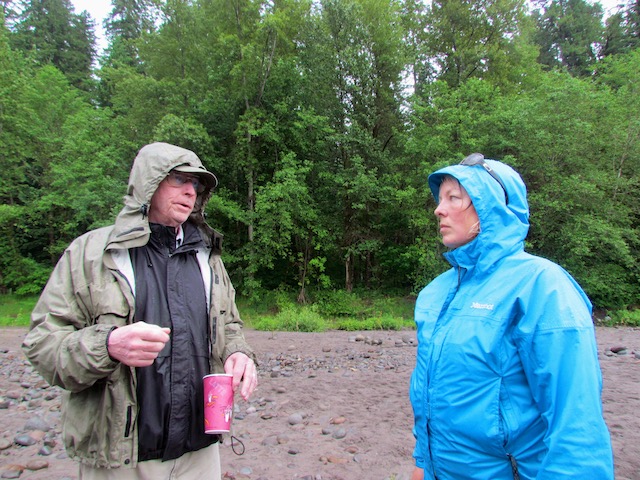
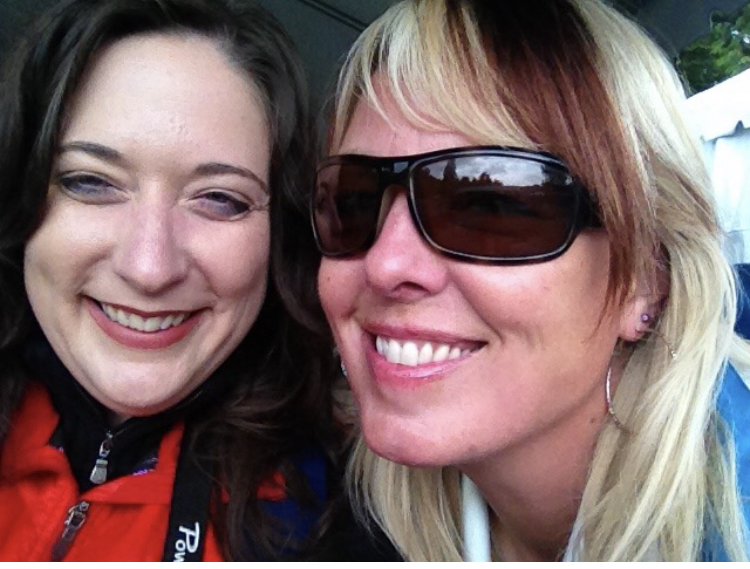
While she and I didn’t see one another on this trip, I’m grateful to her for the friendship we’ve had since we were 5. Dad would travel up to their lodge annually, taking her gifts I’d chosen so that when she’d return to the city, she’d have a few cool things that she could have in common with the other kids. We wrote letters to one another, and best of all, she’s been good about visiting us over the years. The plan is for her to join me when I return to BC to fish the Campbell River. As you can see above, she’s become a successful fisher herself, something she and I rarely saw as girls, but thankfully, it’s more common now.
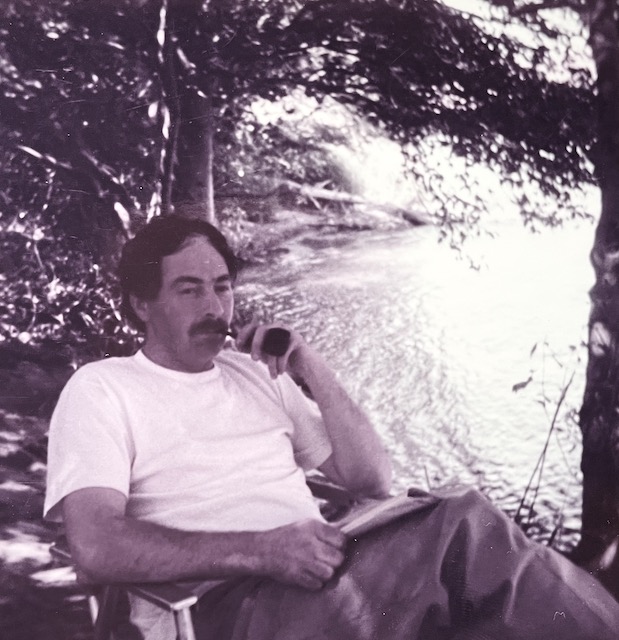
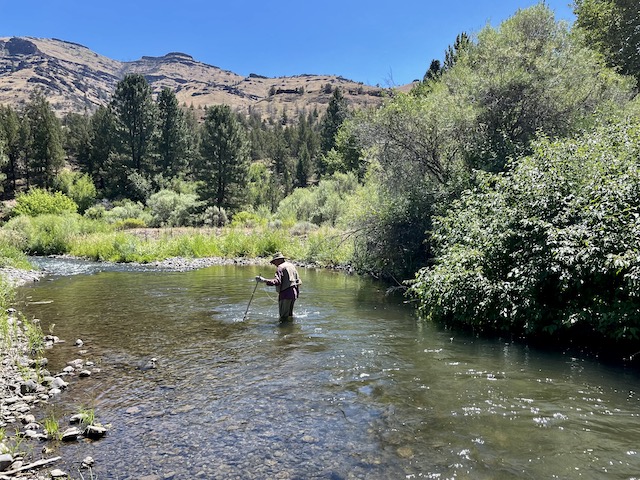
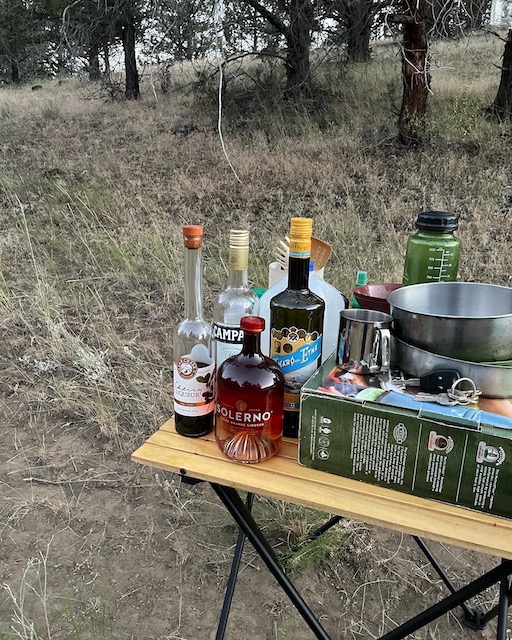
“The only thing that I can suggest is plan your next fishing trip. Make it fun…. That’s what I’m thinking about doing now for the summer. Now that steelhead are almost over I am thinking trout and maybe some camping.” —Frank Amato
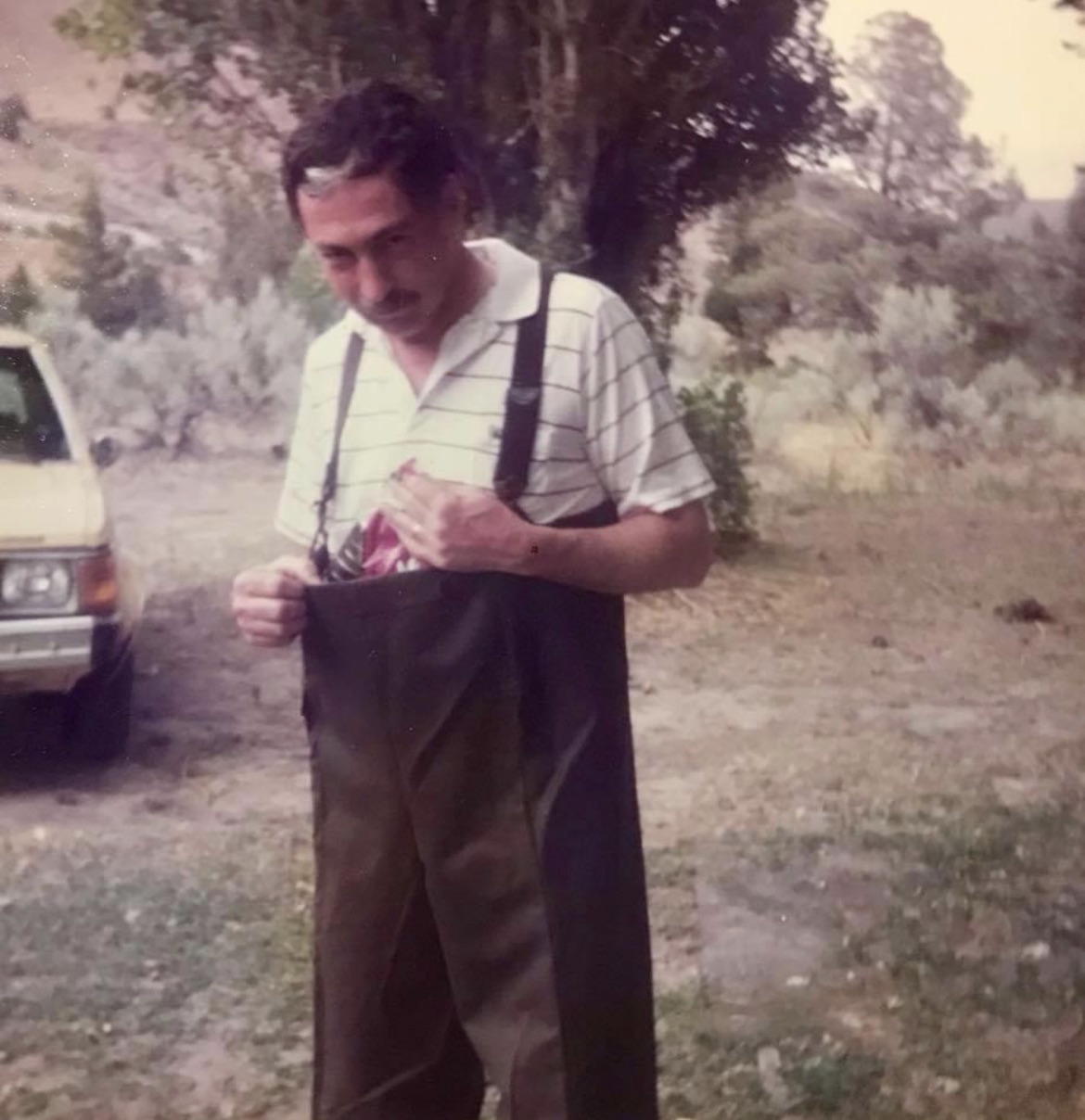
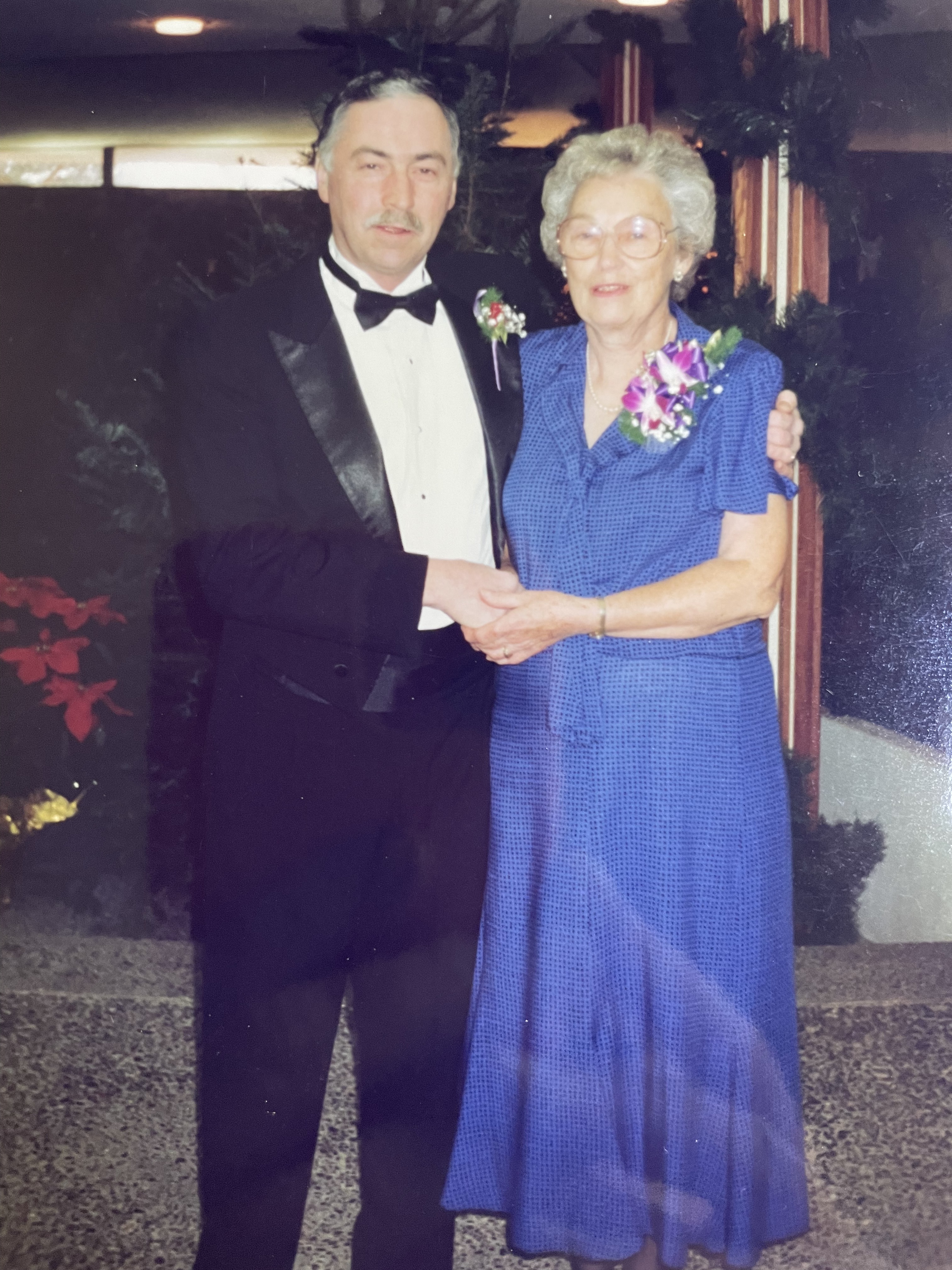
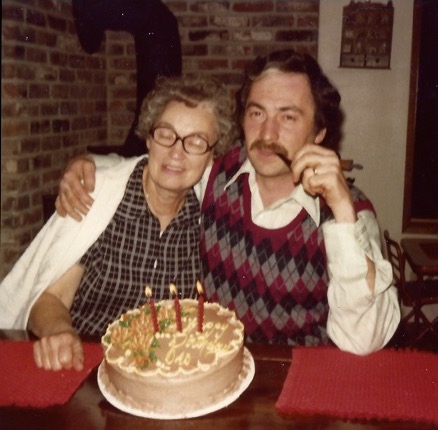
I recently found this interview with Dad that’s part of an oral history project at Montana State University and I found several of the quotes to be of interest to this post. It’s strange though to quote your semi-famous father, but in this I see myself, except I’d be looking at plants. (When I bought my Jeep so that I could safely sleep alone in it at night, Dad beamed with pride. He understood, and he was proud that his daughter would plan to be so safe.) “… back when I graduated from college the night … or that weekend, a lot of people went to parties. I took my camping equipment by myself [and] went up to Fish Creek. [I] spent the next three days teaching myself how to fly fish for trout. So that was kind of the beginning of my fly fishing life.”
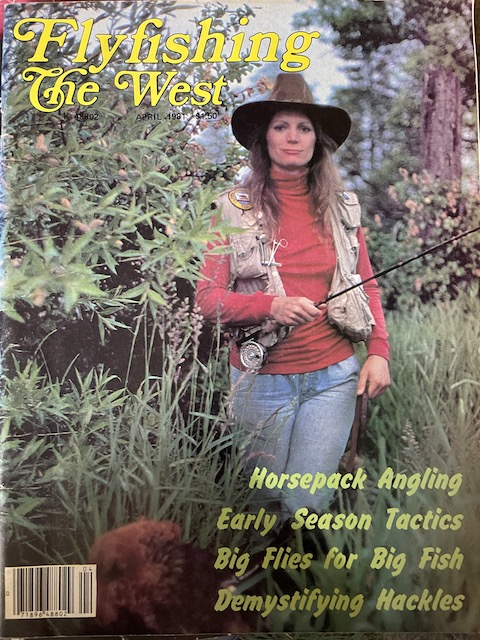
He talks about women too, and fishing. “Well I had the opportunity to teach when I worked for Norm Thompson Outfitters back in the 70s to teach a women’s fly fishing class. And these were women that were really well educated they kind of knew their way around. They ranged in age from probably about 16 to 45 to 60. And I would ask each one of them, there were about 20, why they wanted to learn how to fly fish. And some of them said, ‘Well I’d like to impress my husband.’ Others said, ‘Well I’d like to make my father happy.’ And there were a couple that said, ‘Well, I just kind of liked the idea of it.’ Well they were very easy to teach and very willing learners. They casted really well.”
To be honest it makes me sad that he didn’t mention me during this interview, or any other that I know of, but he’s more of a private man. Even just last night, he was talking to me about how I should present myself, how I should write my life, and he talked about my message, and to keep a lot of my life out of it, and my brother joked about how I needed to write about that message, and by that he meant that maybe if the company had been allowed to proceed more like I have on my own online, maybe it would be in a better state now. I turned and smiled warmly at him.
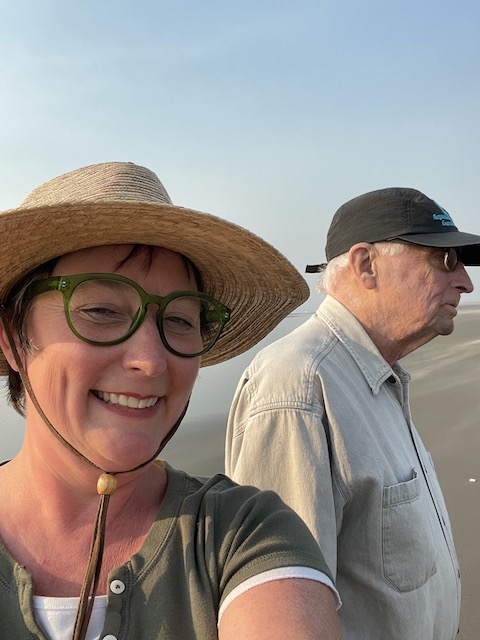
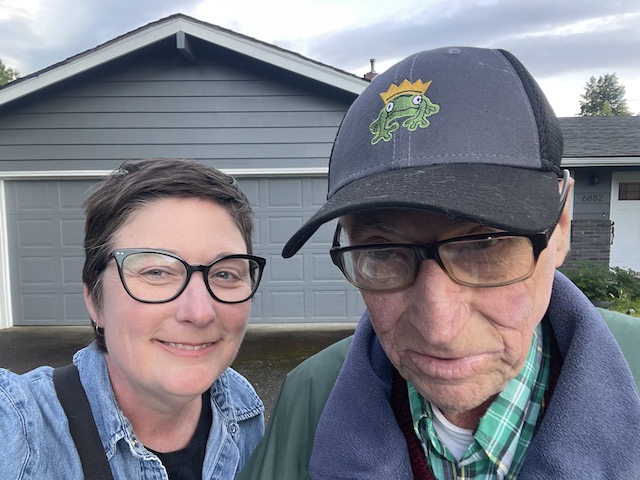
Dad also taught me to cast, but first as a child on our huge lawn, actually before I could read or write. Then as a teen he took me to the blustering windy lower Deschutes River and said, “Get out there.” It was like being pushed off of the diving board. I waded out into the water alone, afraid, the wind too loud to hear anything, the sun was slowly setting. I glanced over my shoulder and Dad was there in the grass, lying on his side, his head in his hand, and he was simply enjoying being present and I felt his love at my back. Of course I figured out how to cast into the wind quickly, and I landed a few trout on that trip, but it’s funny to hear about my dad teaching others when in reality what he taught us was to use our instincts and to quietly observe as much as possible. Fishing for us was about feeling and sensing everything around us in the environment. To fish was to feel alive.
Thanks to Dad, years later I humiliated a sexist hitchhiker from Texas my friends and I had picked up on our way to an insanely wild party in the woods on Mt Hood. He challenged me to a “duel” of sorts catching trout at daybreak. He was so full of himself, I had to say yes, even though I wasn’t sure of the water we’d be on at all—or the state of my own skills.
Even now, that’s still an incredibly happy memory. I channeled something powerful inside of myself. My instincts. Hungover, and slightly deranged from lack of sleep, swollen with a terrible illness, I outfished him 6-1. He had been reduced by a woman, and by her 3 male friends who’d supported her. After that, he refused another ride with us. We left him standing alone and angry by the side of the road. I remember looking out the back window of the VW thinking I bet he’ll never tell a soul.
There are some griefs so loud
They could bring down the sky,
And there are griefs so still
None knows how deep they lie,
Endured, never expended.
There are old griefs so proud
They never speak a word;
They never can be mended.
And these nourish the will
And keep it iron-hard.
May Sarton, Selected Poems
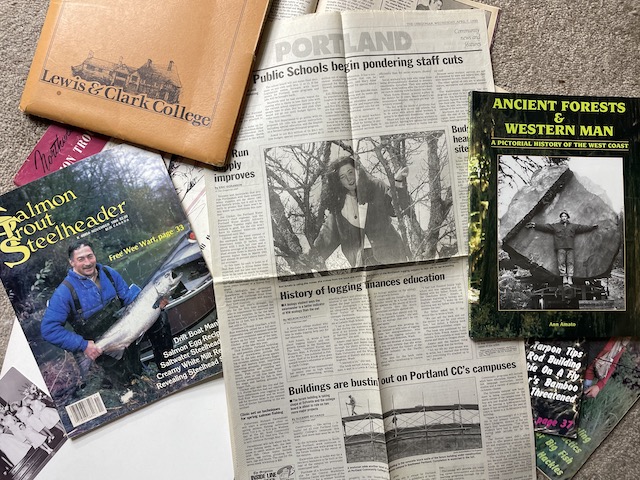
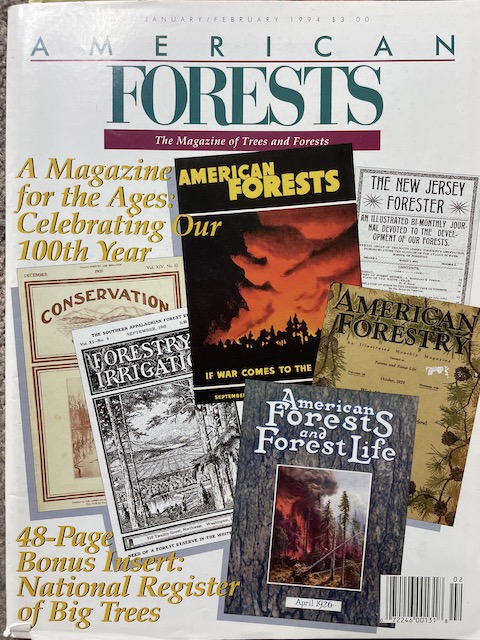
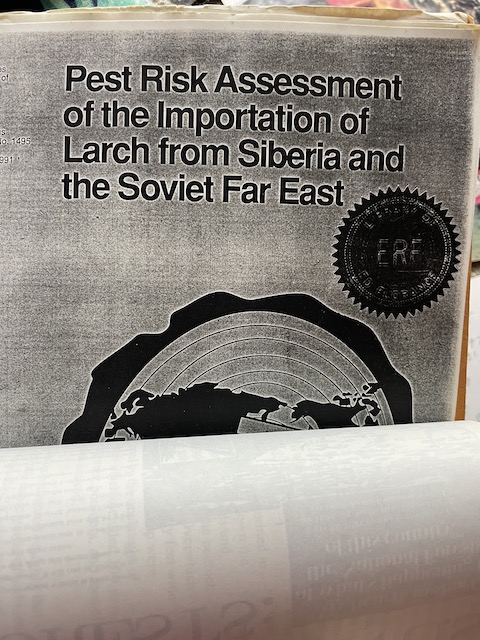
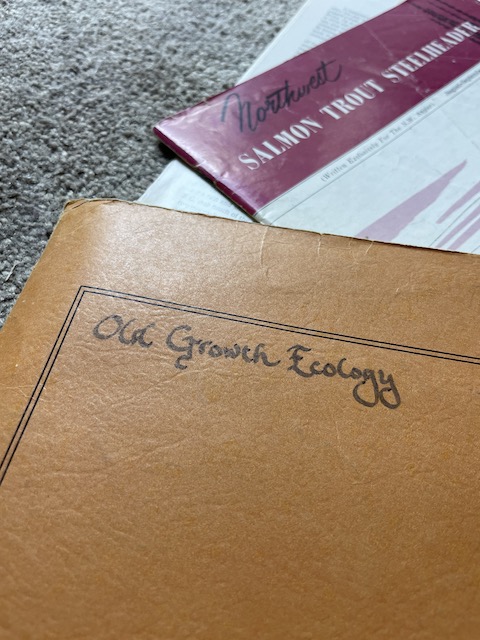
I entered Lewis and Clark College after that trip to British Columbia as a published author. My book had many reviews, I was interviewed, there were book signings, and I was invited to participate in a Senior Seminar in the Biology Department focussed on Old Growth Ecology. So many believed that I would “take the next step” but I crashed and burned badly. A lot of amazing, talented, and famous folks came into my life to mentor me. I’d wanted to study ecology, forestry, fisheries and writing—then I flunked out.
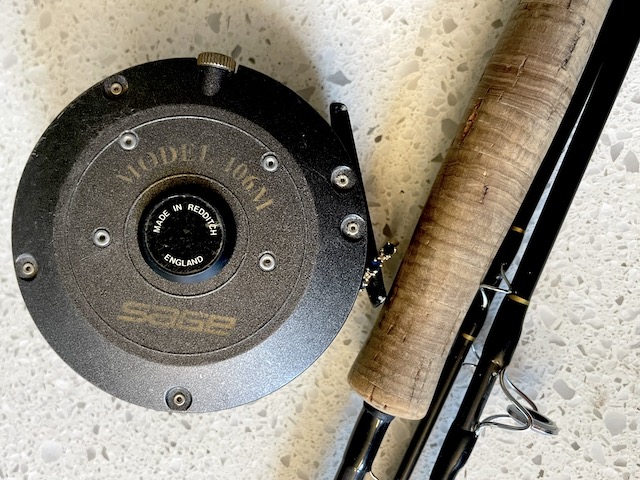
My professional situation in horticulture feels a bit like I’ve reached this point again now, 35 years later, and just writing that, my heart pounds. While I’m still the amateur botanist I started this site wanting to be (from a chair in my living room), I’ve definitely better embraced the love in Ann loves plants. (My last name Amato means loved or beloved in Italian.)
What I want more now than anything—in my work in horticulture and in my life—is the feeling of safety, consistency, and peace. I’m working hard to feel secure and supported so I can be supportive and learn to trust. Maybe I can learn to be a better, stronger, friend and person who can be more present. So many people have helped me. I want to be better at that.
I really do love plants, and to be honest, I really love life—a lot. I’m not ready to give up—or stop learning—about either.


Leave a comment