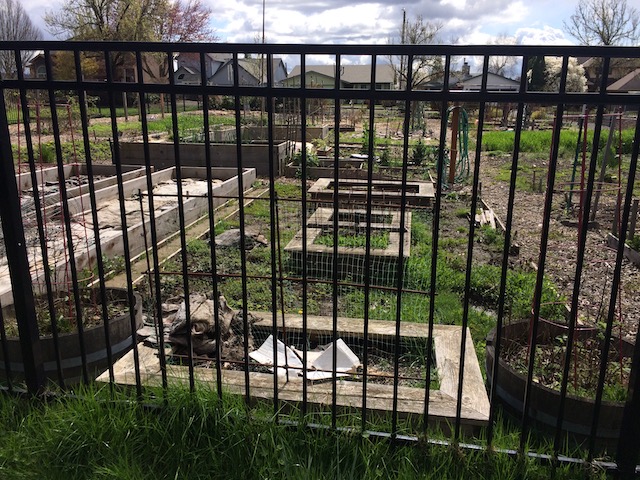
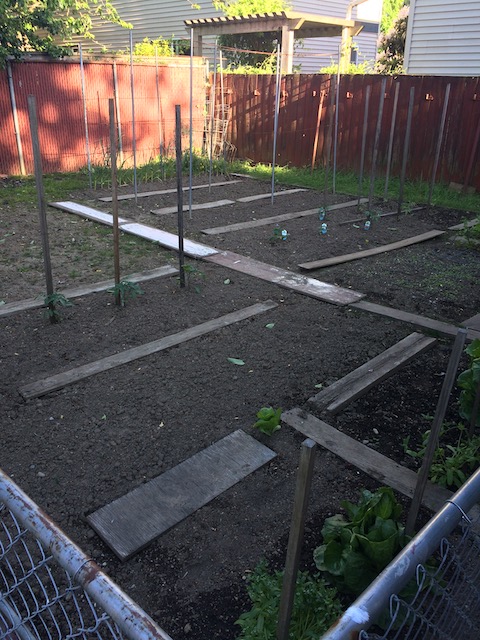
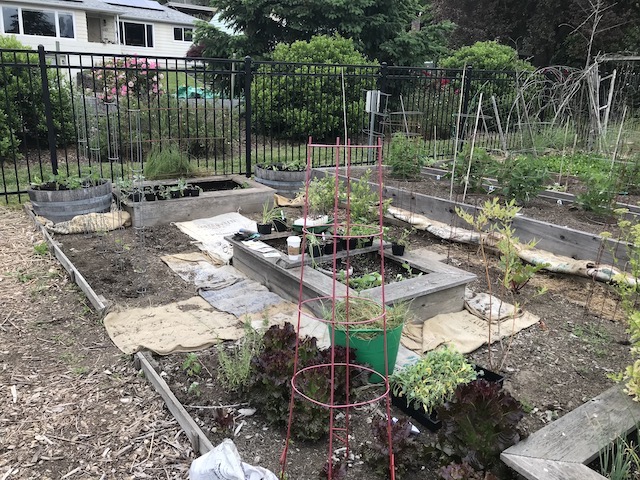
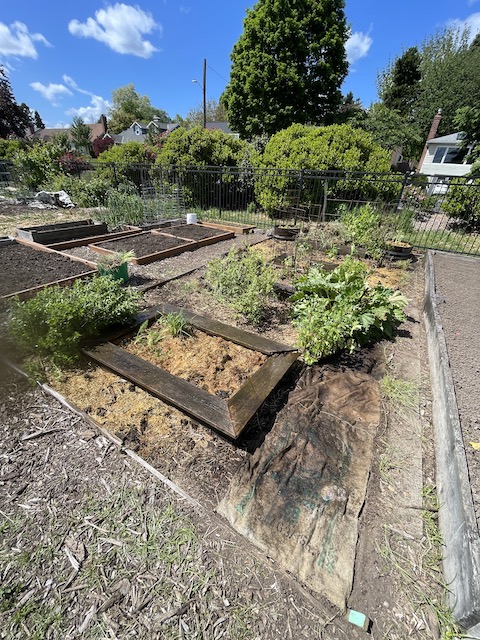
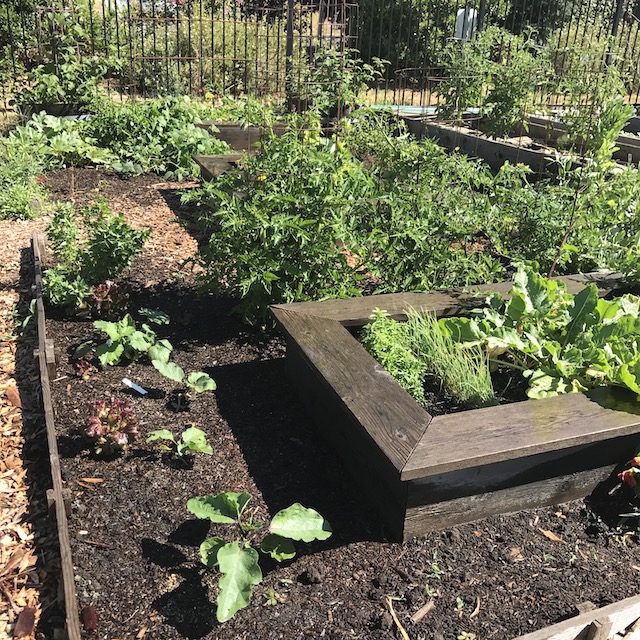
A few months ago I said goodbye to my community garden plot at Mt Tabor Community Garden. This decision was not an easy one to make. Working full-time has meant a reorganization of priorities, many of which tug at my heart. I will miss having a garden space solely for growing food and herbs, but I’m grateful I had the opportunity both at the community garden, and at Secret Garden Growers.
Sometimes NOT gardening is good for you too—and I’m learning that.
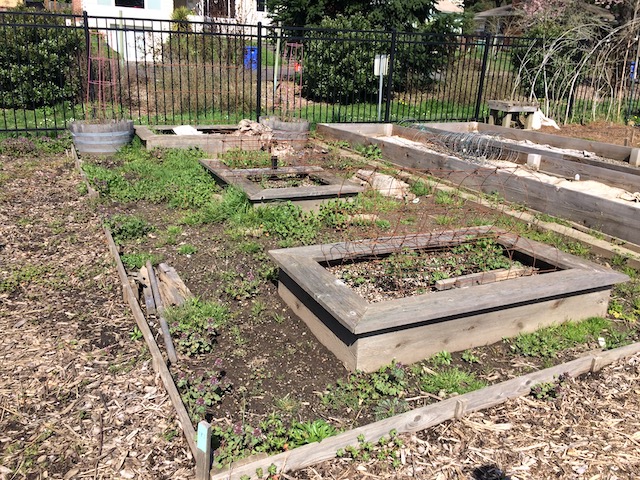
The plot came to us in 2017. At the time, my current husband had promised to help, to tend to things, adding to a healthy routine. This was before I came to better understand his autism, and how this is a pattern for him. He gets excited to add something new and healthy, does it a few times, and then goes right back to his pattern of work and self-isolation in his own room in the house. He’s had a few gains, and while cooking has stuck, weeding and tending to plants has not.
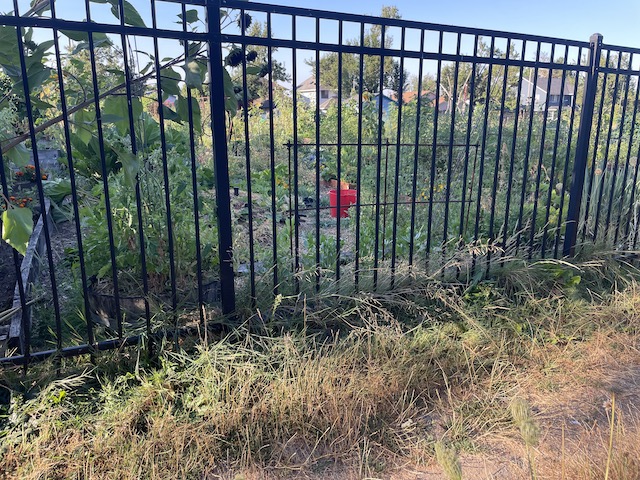
With motor coordination issues, the frustration and anger builds, I cry, and he retreats. After I’d failed to have the vegetable garden dream with my first husband, I’d wanted it to be different this time. Life is about accepting people as they are though, where they’re at, and this is my dream so I just have to do it alone now, back at the house, and that’s the plan.
For a community experience, it was peppered with a lot of not fun encounters. If I ever participate in a community garden again, I’m going to do so with full gusto, and not shrink back when listening to a man berate his wife, or when I’m being chewed out by a neighbor who would not stop when I asked her to. Yes, my plot was neglected. Yes, I passed the walkthroughs. Please mind your own business. But that seems to not always happen in these spaces. The friction there was real.
All I can say now is bless their hearts.
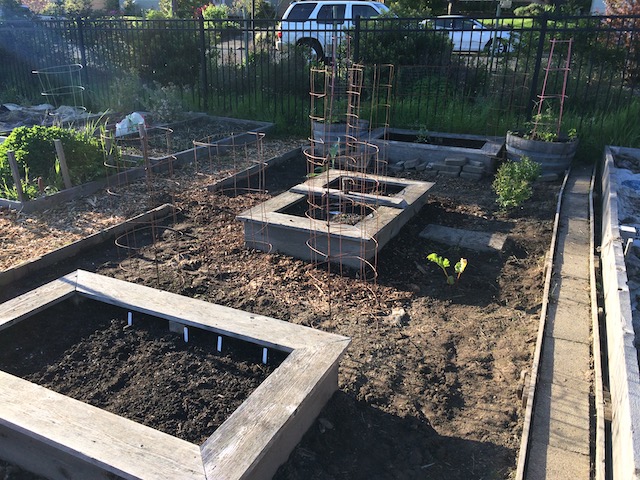
We’ve come to accept things, and in the time since this all fell apart, we’ve both thought through how we want to have growing food in our lives.
For John, he just needs to be adjacent to food being grown. We joke that it’s a parallel play ASD thing for him. But we probably shouldn’t joke about it since it seems like a fact at this point.
John is accepting that a CSA or community supported agriculture subscription is likely a great new idea. Since I went through the Hort Program at CCC, and I really enjoyed our organic farming program, it’s clicked for him. He’d pay to support nice farming folks like my friends he heard about, and he’d learn to accept with the stress of not knowing what’s coming each week. No matter what, I’ll eat vegetable I’m not allergic to. So no organic food would be wasted.
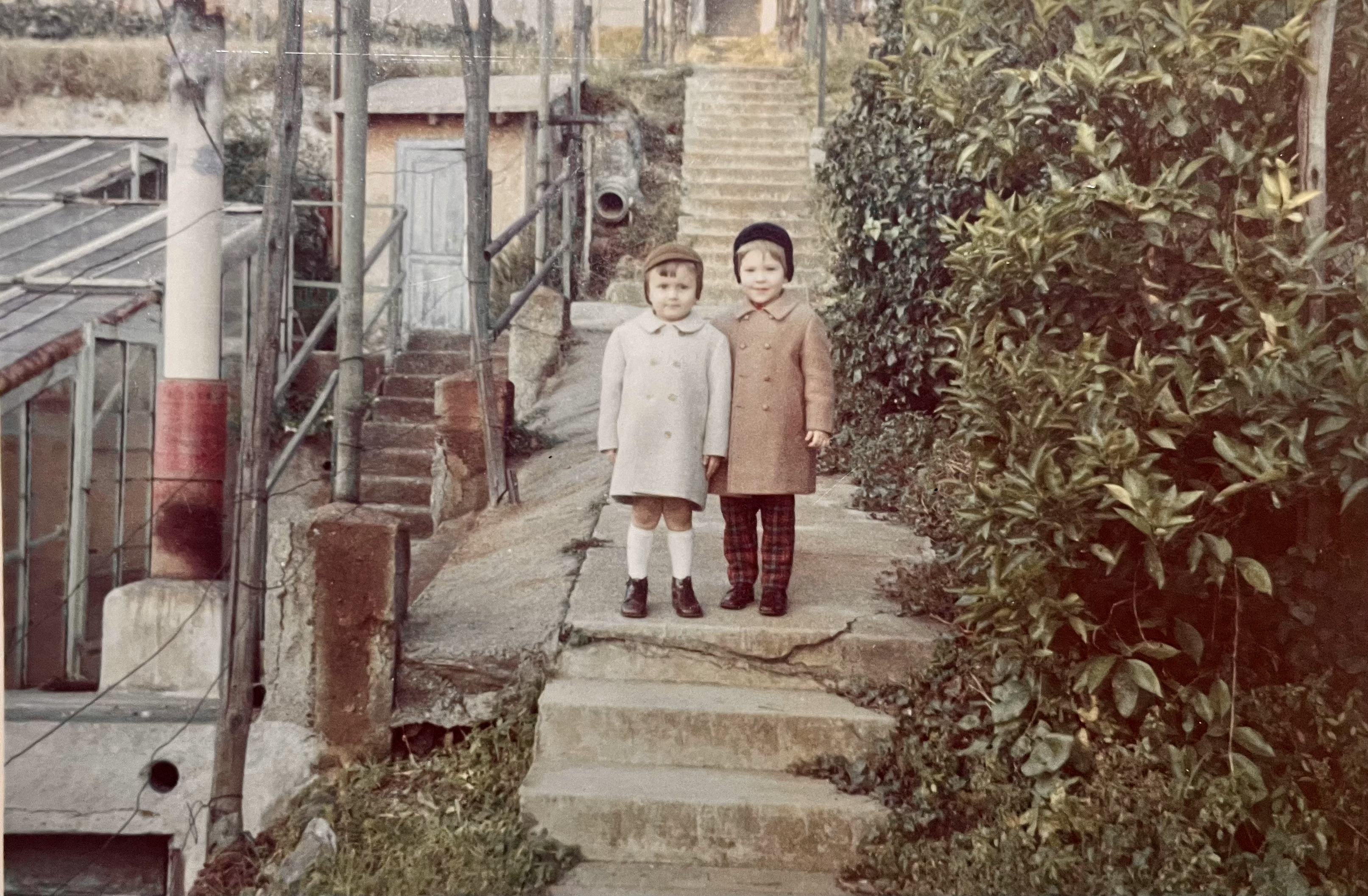
Additionally, he’s found a sponsorship through his employer for the Home Orchard Education Center that I’m currently on the board of and he’s finding other ways to send them donations and maybe even some volunteers. He’s grown to understand the therapeutic value of learning how to grow food, even if it frustrated him often, he knows that donating to this organization is good, and it would make his late mother Gina very pleased to see him involved. (Orchards are still an important part of the fabric of her region, Veneto.)
While John’s Italian and Croatian families didn’t farm like mine, his parents did return to Italy later in life several times to take part in the vendemmia in Veneto. John loves grapes, and all kinds of fruit.
I suspect we’ll be signing up for another fruit CSA too. (We have them at the orchard.) I’m curious how far we’re going to go with this support of local agriculture. I think John is convinced it will wipe away the bad memories. He’s already forgetten the community garden.
I’m willing to try.
At heart, I came to horticulture through agronomy. I really enjoy growing crops more than anything. I used to cringe a little with embarrassment when people would ask me about garden design, but now I smile and wonder what their soil is like at the site.
My Sicilian family moved across the world to Oregon because somehow, someone, had told them about our soil here. I feel that connection to the earth too, and it pulls on me daily.
I will miss the good times at the plot, ones where I’d have things in order, and it was always my place of calm. I felt that way out in Canby too when I was “in the zone”. Pat called me Farmer Ann one day and I wept.
But I’m physically limited, and just cannot do it all.
As a kid I never grew food with my parents. Dad was always gone fishing, and mom practiced garden design on her acre. Grandma Virginia let me help her, and when she did, I remember how it drew me to her. I wished I could live with her, be closer to her, even though she only lived across the creek, up a hill, and down a short road from us.
In my efforts now to grow as a gardener again—and for me to move beyond losing the plot—I took time to think back to my first garden. How could it inspire me now in this time of need?
Mom would’t allow for me to mess up her acre, so another adult helped me with a loophole. I crack up thinking about it now. I was around 8 or 9 years old and my gardening mentor Mr. Palm (Grandma Virginia’s neighbor) propagated herb plants so I could have a container garden in the treehouse. It worked, and it taught me about loopholes, but I also learned that watering up in a treehouse is tough.
So when my heart was heavy, I thought about my first garden, and I committed to redoing my herbs as I redo the south side of the house, and there will be a few veggies mixed in with other plants and my hammock. (No photos since the area currently is being left “wild”.)
At the end of 2025, the Rumex acetosella or sheep sorrel finally broke me. In all of my years at the community garden, I was constantly fighting it in my plot and could never get it under control.
Last spring I was complaining about it in a class and the instructor overheard me. He’d helped to set up our original community garden program in Portland and he told me just to ditch the plot. It was pointless. He’d had to do the same with a plot he’d had that was infested with mint. It felt good to hear that.
LET IT GO ANN. LET IT GO.
When it came time to pull the plug, that conversation truly helped me.
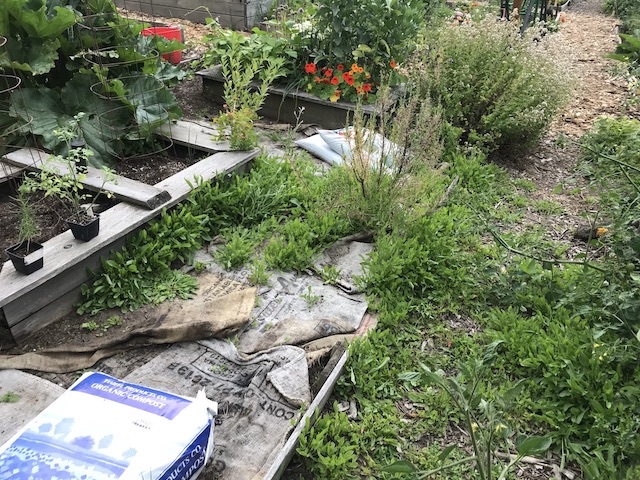
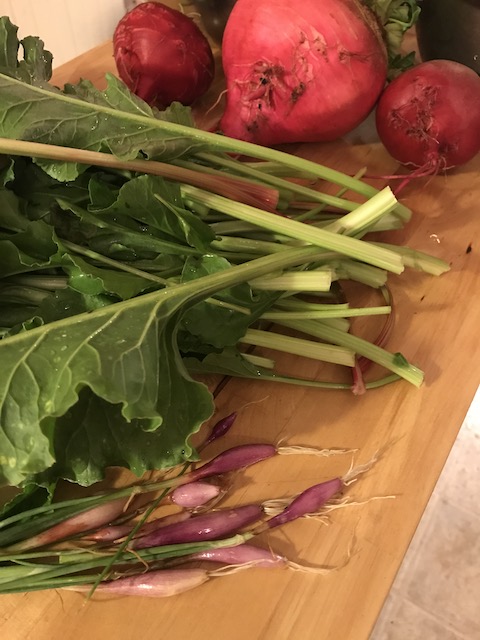
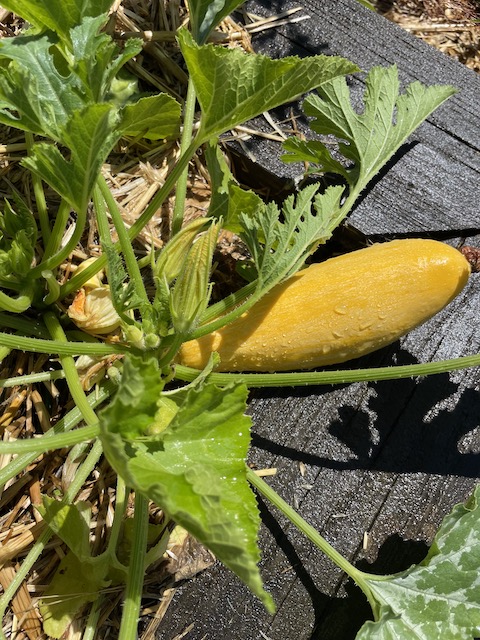
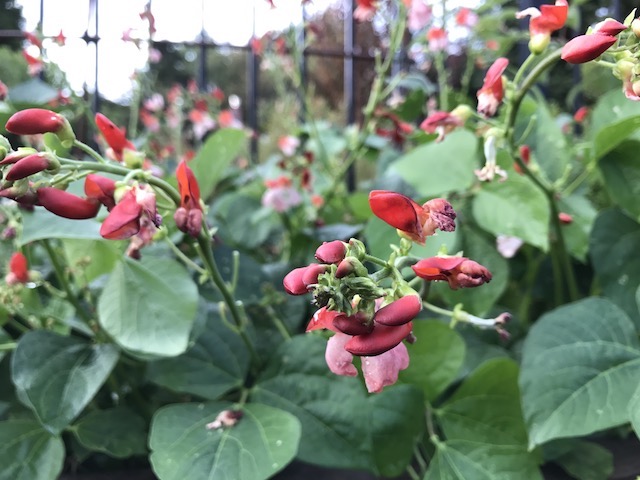
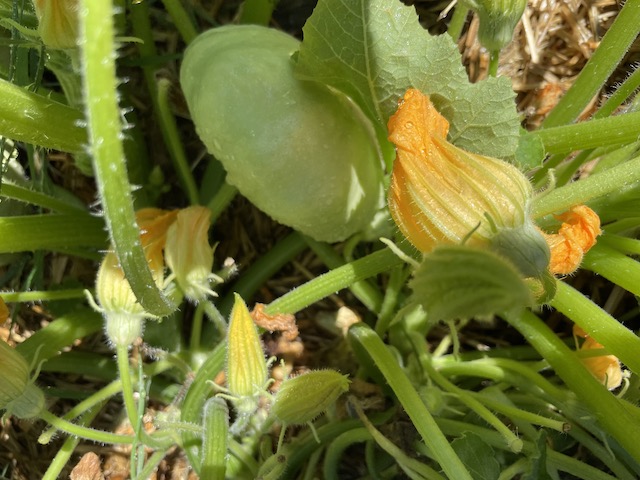
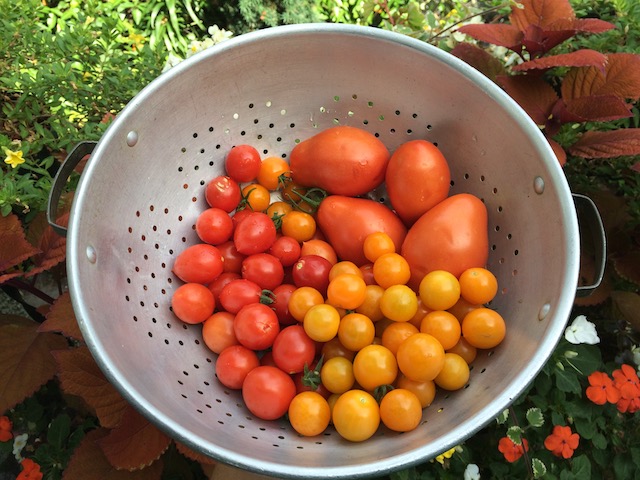
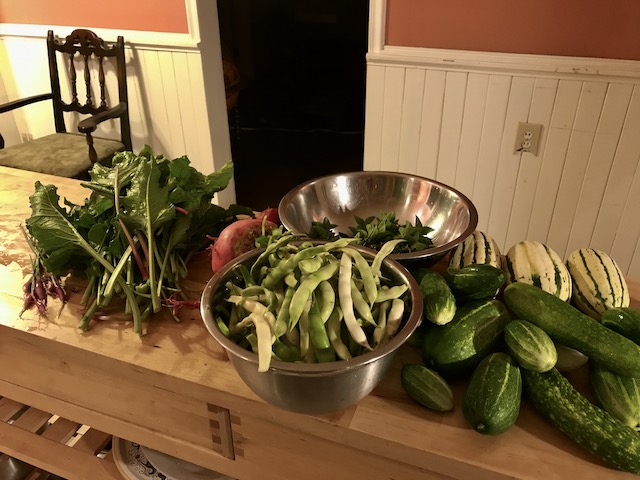
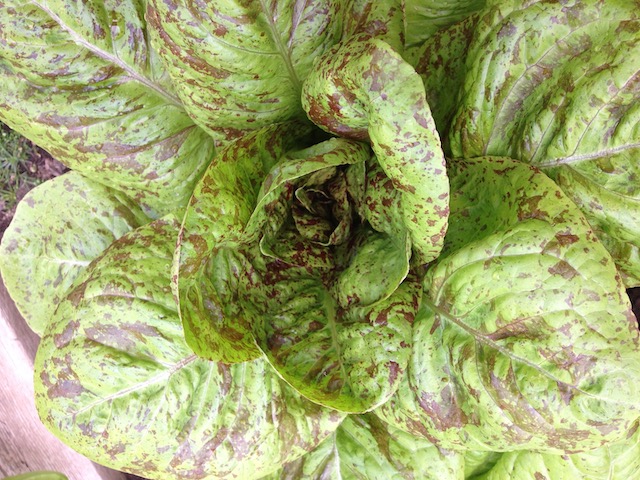
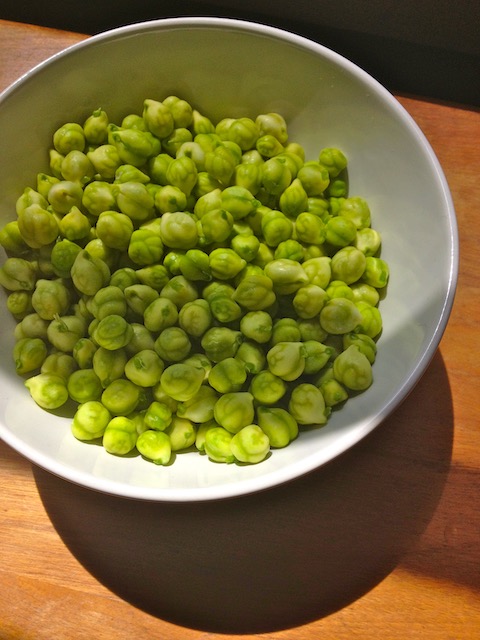
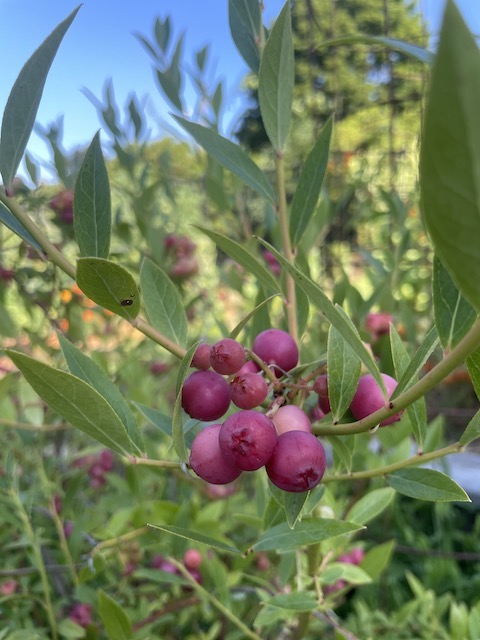
So here’s to all of the delicious memories, and happy times I spent harvesting and cooking my food….
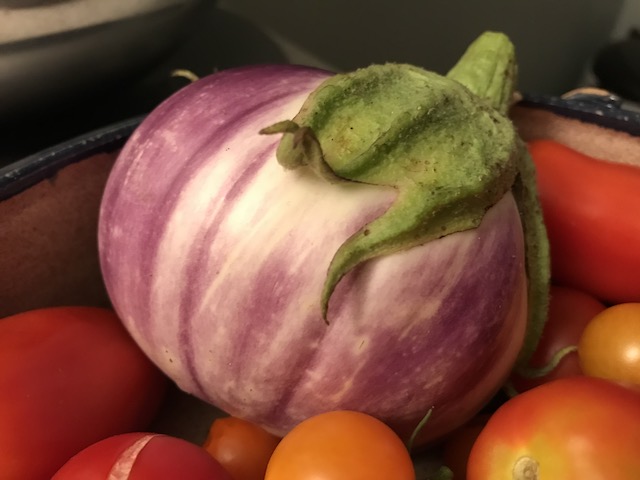
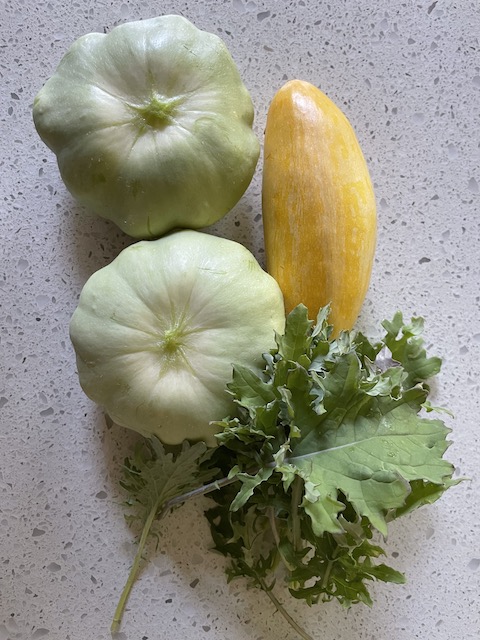
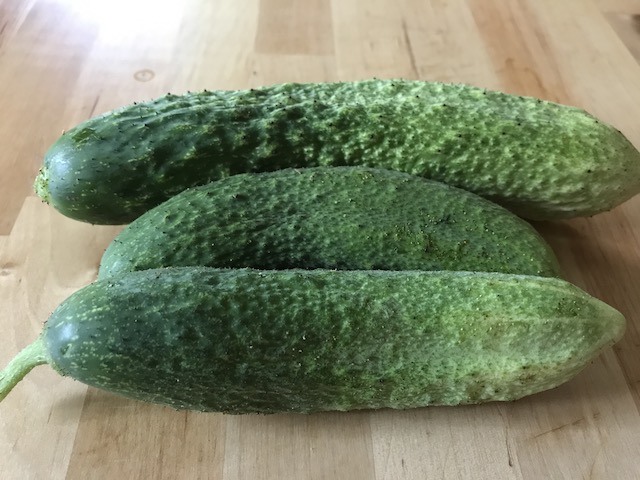
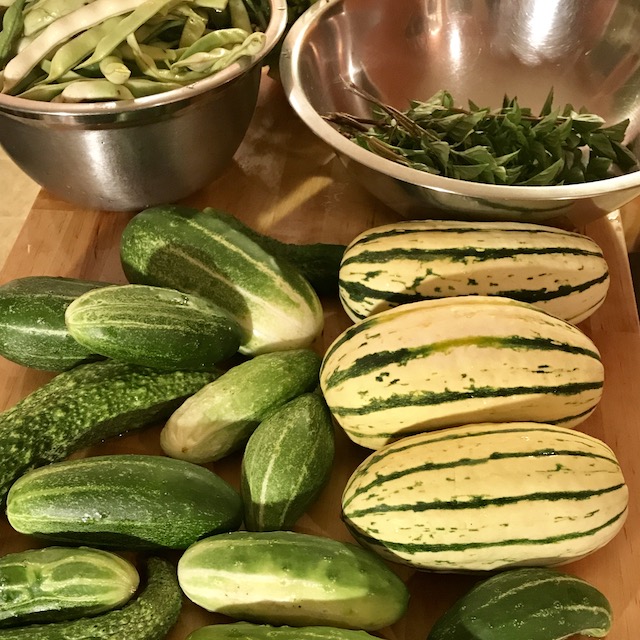
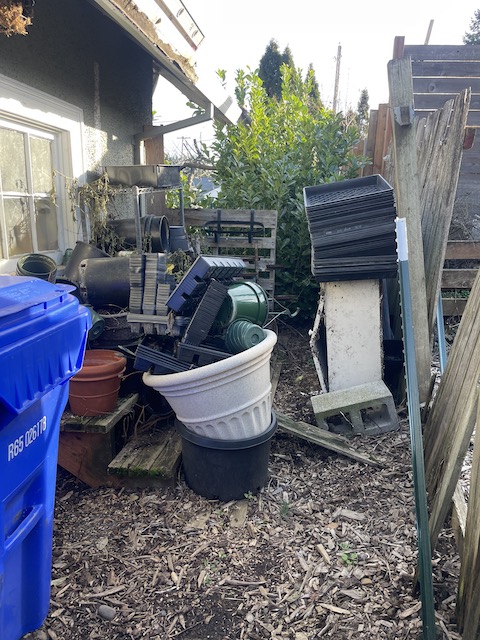
While this area is not pretty, it’s prime real estate on the south facing wall of the Seed Studio and I’m making space to grow some food here—next to the garbage cans. #classy
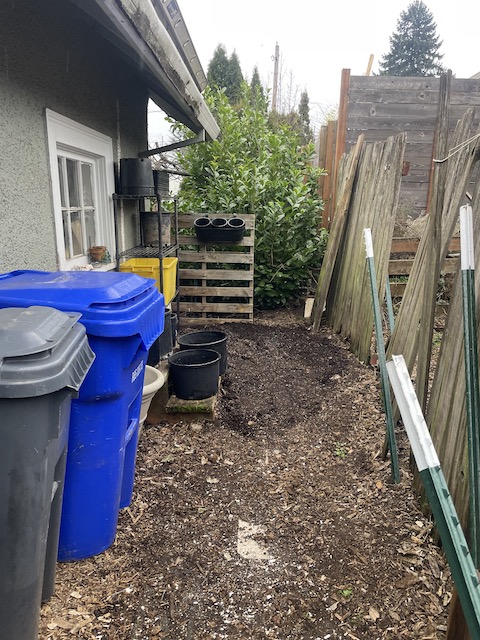
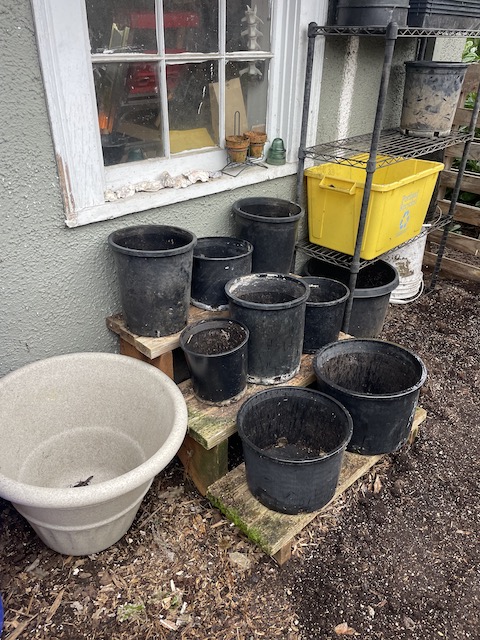
I will grow some vegetable starts again—but not like I did for the neighborhood gardening group during the pandemic. I have to say that was fun though!
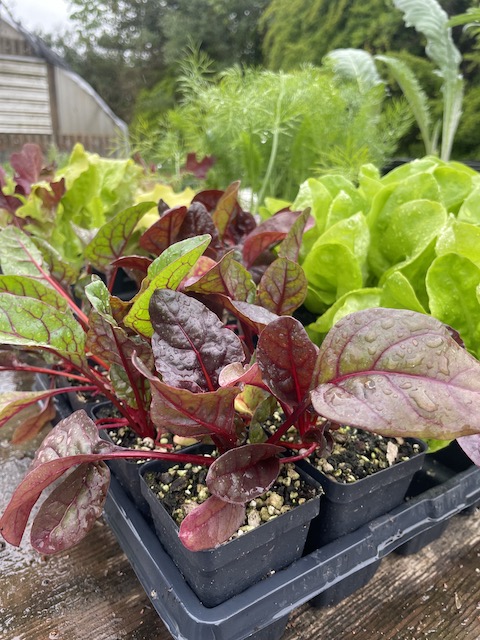
Small harvests (victories) will be celebrated, and this summer it will be nice to eat a few things that I can collect in my pjs.
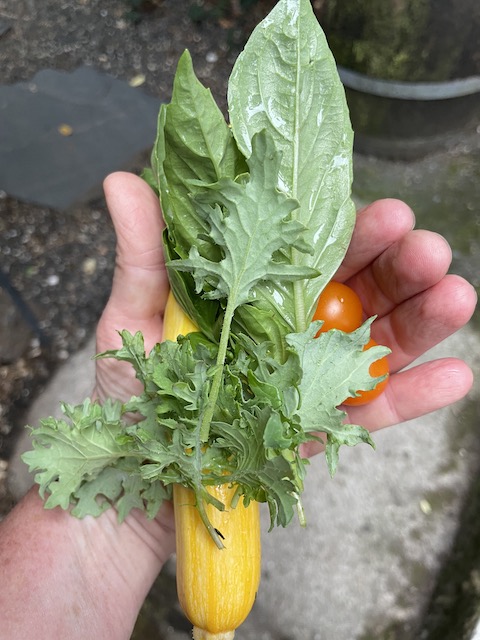
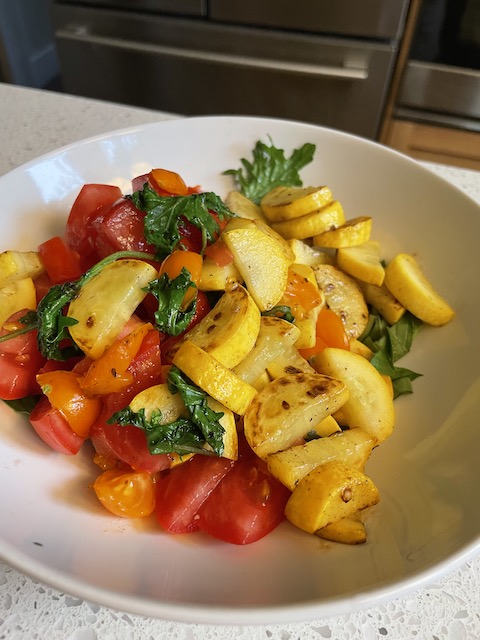
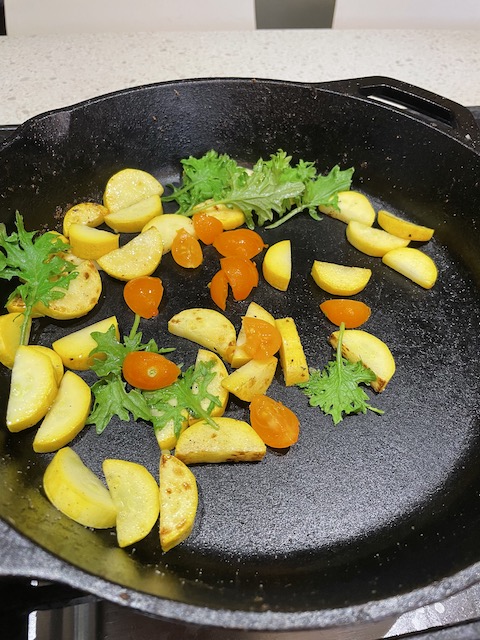
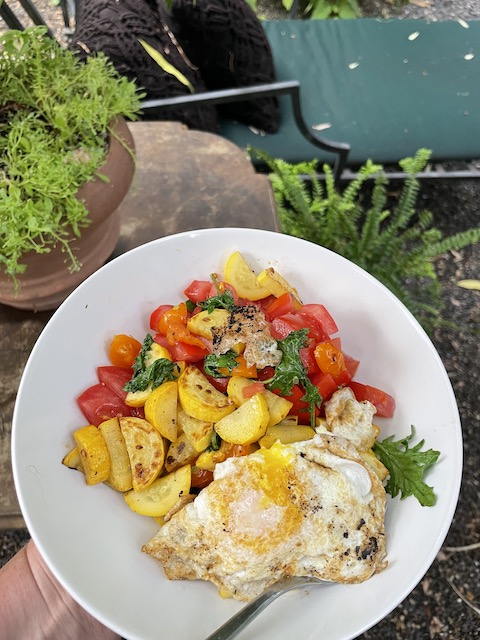
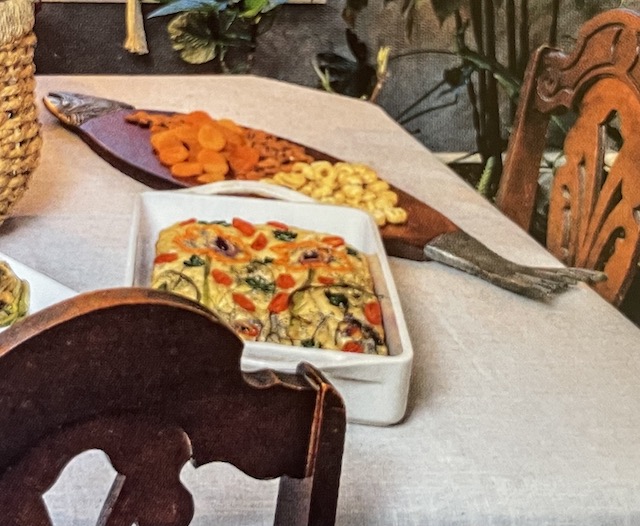
And instead of NOT cooking because my hands ache from weeding, I can make food again for friends and family. (Like this fun focaccia that I made for my appearance in The Spirited Garden: Creative Private Retreats.
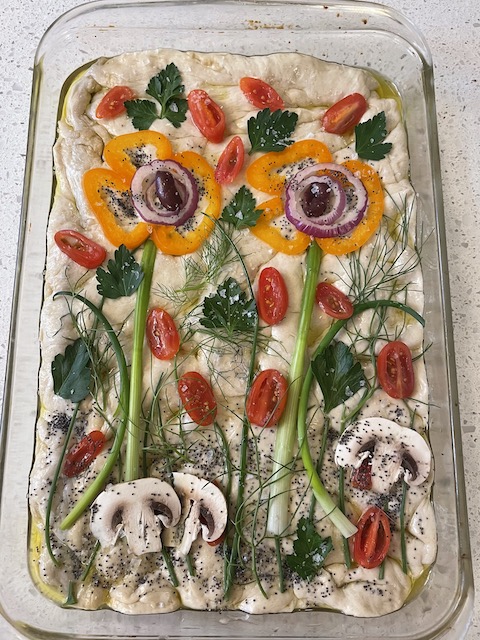
So stay tuned for updates on how this project is working out…


 Ann Loves Plants
Leave a comment