
Gardeners should always garden to make ourselves happy. I believe that to my very core. Let me explain why…
Gardening can be escapist, productive, shallow, monotonous, exhilarating, calming, heartbreaking and so many other things. What else can be described in these terms other than life itself? The garden can be a microcosm of human life and it’s for that reason the garden paradise is powerful and culturally significant to people everywhere.
Culture doesn’t have to intervene between our connection to nature, and the degree to which it does, varies from person to person, place to place.
Raised religiously by parents who believed in both stories and their own personal relationships with the natural world, I watched and listened. Dad felt nature, saw its patterns, read a lot about ocean currents, and used this information to fish throughout the year. Mom sought to control nature with her perfectly manicured plants and ability to use all kinds of tools to master her universe. I watched her transform an acre nearly be herself, one burn pile (and weenie and marshmallow roast) at a time. While I lived in their lives, I sought out adventure and books. Only now as I look back do I see the setting, one where individualism was not emphasized as much as the needs of the family, the wishes of our parents, and it’s where my own connection to the story of Echo and Narcissus began.


We all tell ourselves stories about ourselves. Reviewing them is healthy for creating meaning throughout or lives. These stories tell us about who we think we are, convey things to others, and help us to guide our lives forward. While I’ve chosen myths connected to my heritage, others may chose religious stories, being caretakers of the land they live on, or even have negative self-talk. You can tell yourself ANYTHING.
But I’ve found over the years, many of these stories come up when you visit and speak with gardeners in their gardens. Gardens can be a strange kind of sacred space where strangers open up to one another. I love that, and the complex nature of these narrative identities.
“Tell me where it all began. What is your inspiration?”
Now at middle age, my garden exists to cultivate a healthier state of mind for me. To escape the state that it is currently in though, I’ve been visiting other gardens, seeing friends, and am going to nurseries just to pin and plot navigation for my way forward.
Public garden memberships are wonderful to support this practice, one of redefining and finding ourselves as we view the landscape and separate ourselves from it as we walk in it. And after the pandemic, with the US currently in cultural upheaval, it’s no surprise I’m renewing my memberships and am enjoying revisiting old friends and new-to-me gardens more than ever. We all need to feel grounded in times like these. We can find that sense of grounding outdoors.
Private gardens are different though, they’re often a glimpse into the psyche of another. I choose to walk into them with an open mind and heart. Opening one’s garden is very difficult, but it’s always an act of sharing, and it so often shows dedication to the craft. Like a studio visit, a garden visit helps you to envision the vision. And if it’s a well-crafted vision, you know you’re in the garden of a designer. But this is not always the case.
Currently, I don’t want anyone to see my garden. This is not good for someone like me with people asking to come over. The garden does not make me happy. In it, I feel like Picasso’s La Femme qui pleure (the weeping woman), the Dora Maar of my own space. I see myself digging holes while singing La Llorona. This is what happens when you wake up from the effects of an illness that changed you for roughly 29 years of your life. This is a garden I’ve recently needed relief from the sight of.
I feel much more now like the 18 year old I was—not the adult I was forced by fate to become. Now what do I do? I don’t exactly feel like I made this garden. Anyone who ages in place though, and gardens at the same site for decades, must go through a very similar version of this though. We naturally change as we age, but what I’m dealing with is definitely an illness related existential crisis.
My unfinished garden is all about my unresolved issues. I’ve known that for years, but have kept it to myself. So right now it’s in transition—much like me.
Gardening hasn’t made me as happy recently, or given the pleasure and inspiration to visitors that I want to share. What I harvest from it will always depend upon the inputs I add to it, and for the last 3 and a half years, it’s remained in the same state of shock and awe that I’ve had since a new medication eased a great deal of my pain and swelling from hereditary angioedema.
Since I moved to this property, the inputs have primarily been tears, isolation, rejection, fear, terror at the possibly of dying from an anaphylactic episode, sadness, a kind of pleading, and gifted (often free) plants—but not all. I’ve spent a lot of money for having had so little income and I take full responsibly of that financial recklessness. At least the good things have also been those plants, friends, meeting new folks, and the people I love. These are all elements I plan to keep.
In 2026, I’m amending the garden. I’m giving it the same compassion, self-care and understanding that I’m giving myself. Instead of worrying about the mean girls and boys, I’m focussing on the basics. No more people pleasing like Echo, and fewer echoes from my past and other people. I’ve found my voice. It wasn’t a curse that caused me to lose mine, just genetics, and I need to stop burying and reburying the same troubles. Yes, I ruminate, but I won’t dwell.
Gardening for happiness means designing and building a stunning internal landscape, while outside of that, you’re playing with plants. I’m ready to weave my troubles into this new garden tapestry, and to see what new stories grow from the old garden space. This is cultivation and editing at their finest.
My garden truly is built on lost love and a broken heart—it’s an echo of it. I tried to build on top of those feelings by coming up with plants and plans with my ex husband. I wanted to cover up that I was still in love with someone else by growing a garden with the runner-up.
This person was in my life from when we were 18, until we were in our 30s. My health problems were too much for him, but he stood by for a long time, kind of at a distance after I’d hurt him with my recklessness. Letting him go for good, many years after terminating a pregnancy that I couldn’t keep, I never knew what kind of emotional albatross that would be to carry around. All he ever asked for was for me to “be me again” and here I am. I “woke up” far too many years later, with no child to share with him who’d be in their late 20s.
I’m Odysseus returned home in The Odyssey and Penelope left years ago. You truly can never go home again.
He was kind, and allowed me agency to let him go. Since I wouldn’t leave my ex, he fell in love with someone, and he asked me if he could marry her. That will always be a key moment in my life. I made the right decision for his happiness, but it’s an example of how much loving someone can really hurt.
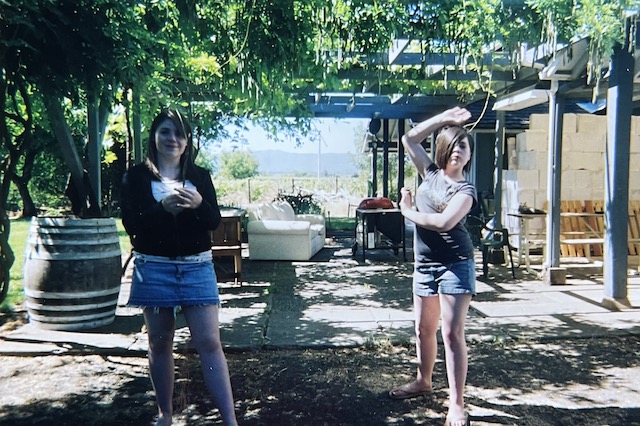

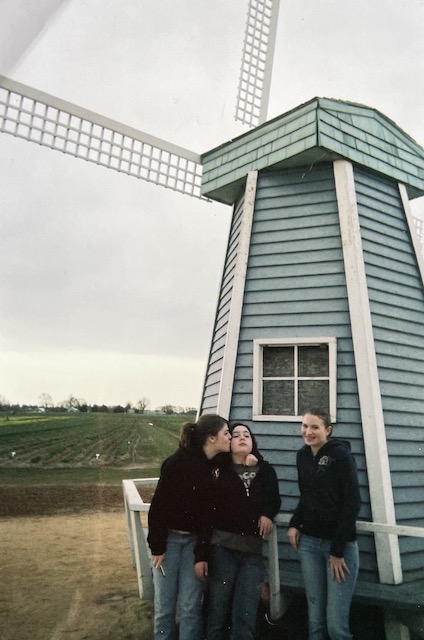

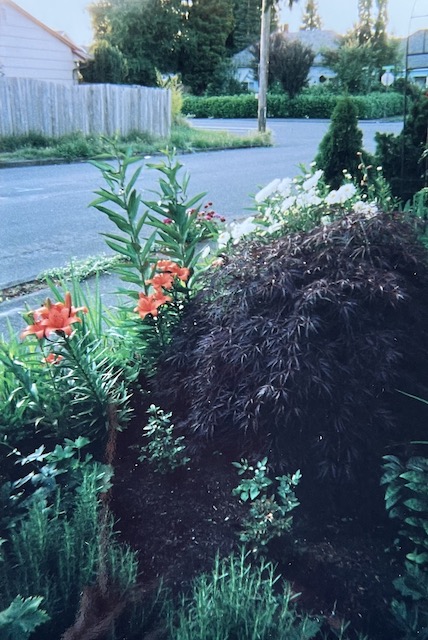
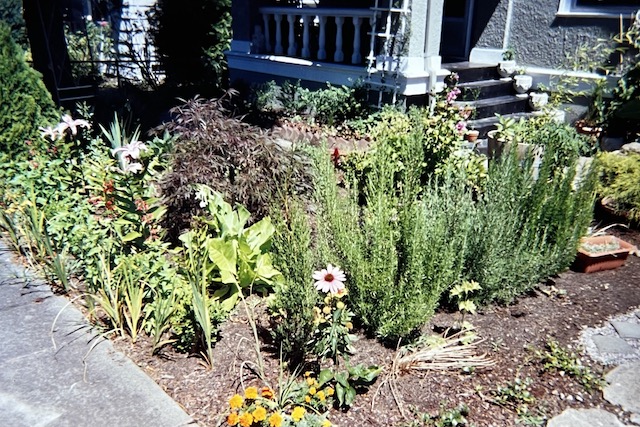
He knew my nieces as kids, and visited my house one time while my ex was working in California. I thank him now for giving me the love he did, but I look at my garden, and think a lot about how I connected to the earth as a lot of me had to shutdown. Not being with him killed me. I was an Echo to things around me—for decades a shell of myself.
I used to say in anger that he was Narcissus (a narcissist) and I was the cursed Echo. It was horrible watching his career soar, and his personal growth, while I fell so deep and hard with brain swelling, speech loss, deep sadness, and debt. I’d studied art history because of him. He was the first person to hold my hand and show me that I could paint. He introduced me to parts of myself, to ideas, and my own creative process, with such ease. I am who I am today because of him. But I also married someone else because of him. I tried to be good enough for so many years, to achieve, and right when I was in the process to apply for PhD programs near him, I really got ill. He retreated. I pivoted, and I married someone else who I thought loved and accepted me for who I was, not who I’d been.
But I gardened HARD when I moved into this house, and it did make me happy. It made me very happy and sometimes I forgot. I nurtured plants when I was childless, I connected to nature by being outside, and I shared that with my nieces and later the foster kids.
He moved on in his life, and after my ex left, I married again, and I live now in a kind of peace with an older husband who went through an autism spectrum diagnosis after we met. We support one another as we’re able, but it has challenges I didn’t anticipate.
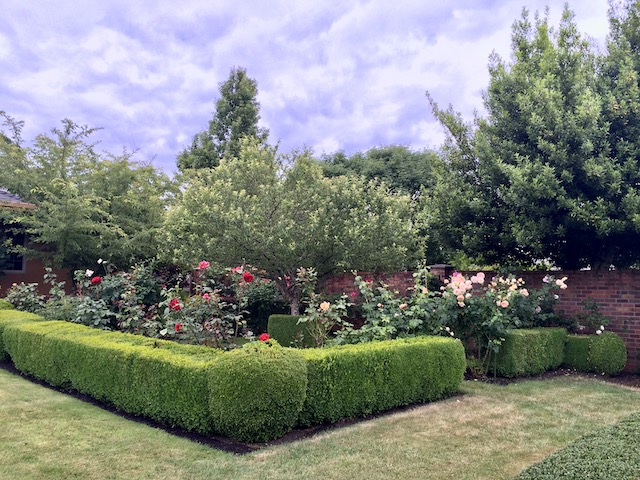
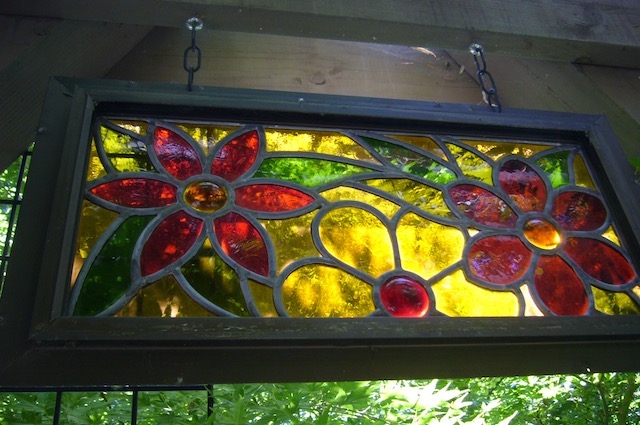
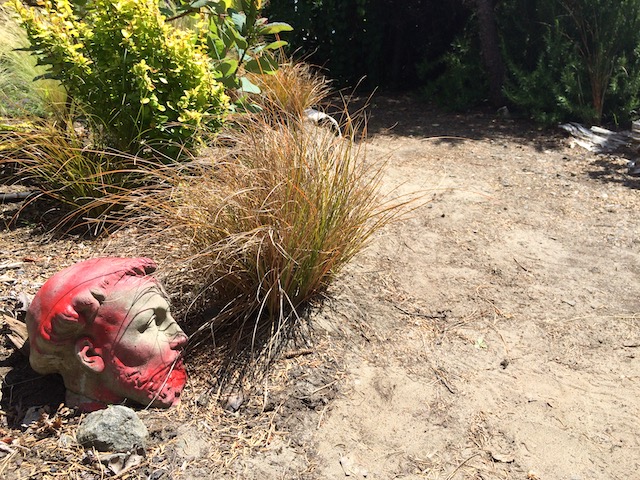
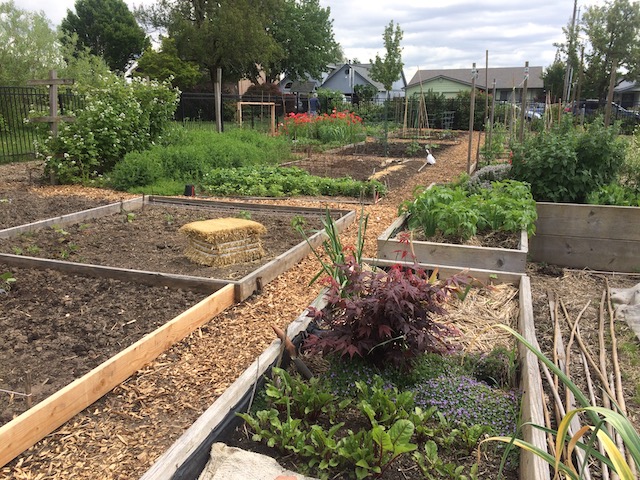
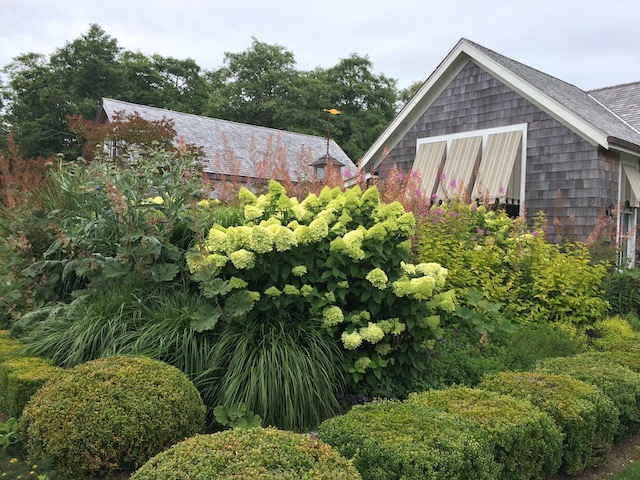
Time spent gardening can relieve stress, improve mood, and help you to feel accomplished. The physical activity releases the happy chemicals for a better mood, lowers stress, and helps you sleep better. This was all true for me during the worst years. But it was sublimation too, the act of turning my own unhappiness and anger into something socially acceptable. This can be a healthy defense mechanism, but I think nearly 30 years of immature or unaddressed sublimation took its toll on me.
So now horticulture is a career thanks to positive sublimation, and it’s time to grow up and turn that internal Echo character into someone I recognize: my old self. I can assure all of you, she’s a lot less sad and complicated. I missed her a lot.
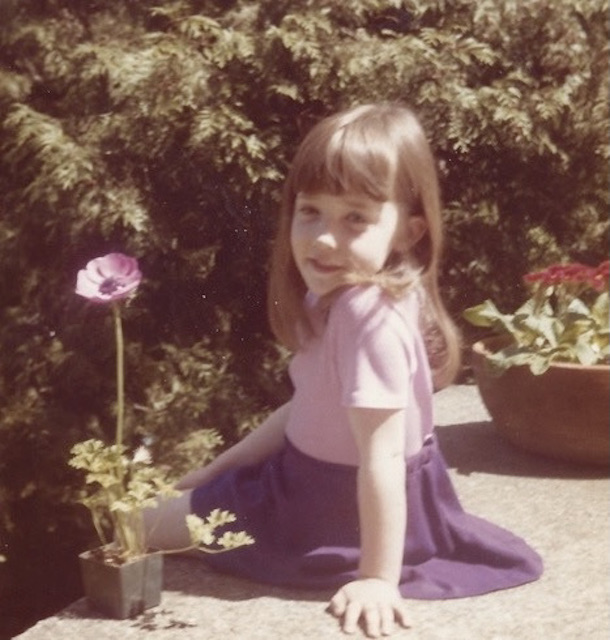
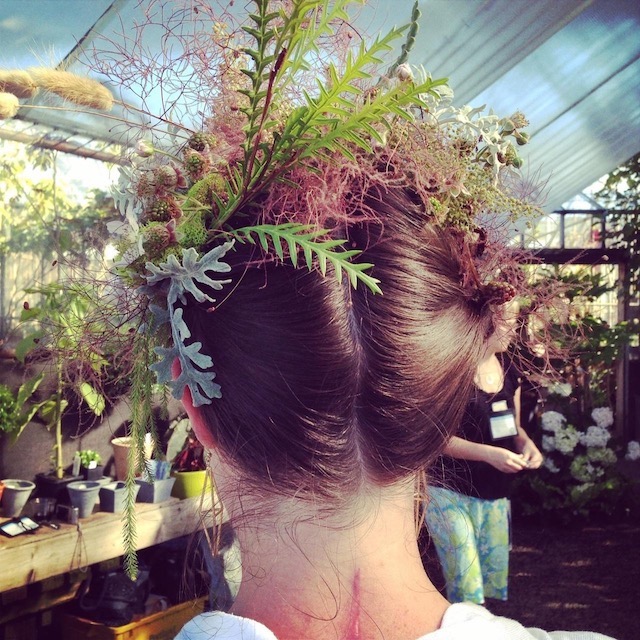
During the last few months I’ve resolved to learn from the many life lessons I’ve passed through. Reflecting on the journey, here are things I’m going to think about as I move forward, cultivating as much happiness as I can for myself and others during these tough times.
Creating Purpose and Routine: Ever-changing seasonal activities keep us from feeling bored. Being outdoors, feeling the earth, and observing natural cycles is revitalizing and soothing for all of us.
Creative Expression: Gardening first and foremost is about personal creative expression. Designing a garden allows us to use the creative parts of our minds, and for us, that can be highly fulfilling and therapeutic.
Community Bonds: Sharing food we’ve grown, flowers, or knowledge we’ve acquired reduces isolation and builds social capital. While community bonding and ego accomplishment can clash when personalities collide, they represent different approaches to life and sources of personal fulfillment. I struggle a lot with this one. In all gardening communities I’ve been in I’ve witnessed the push and pull between collective well-being and mutual support versus individual success, individual validation, and personal status. I stand firmly by interconnectedness when it comes to community bonds, and have clashed more than once with individuals taking up too much space. Now I’m committed to just walking away. I grew up in Catholic schools and 12 years taught me that community ties do lower anxiety and can ease depression. I felt supported and had decent self-esteem as a kid. I value the resilience my education gave me. Friendships from then built empathy, helped me to be vulnerable and built trust. I still keep in touch with many of my schoolmates.
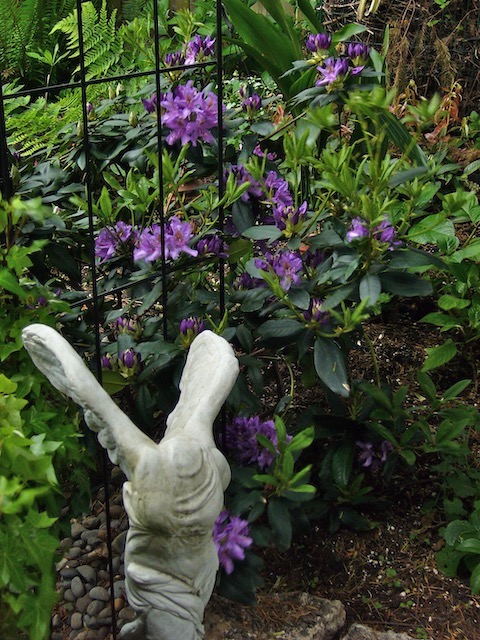
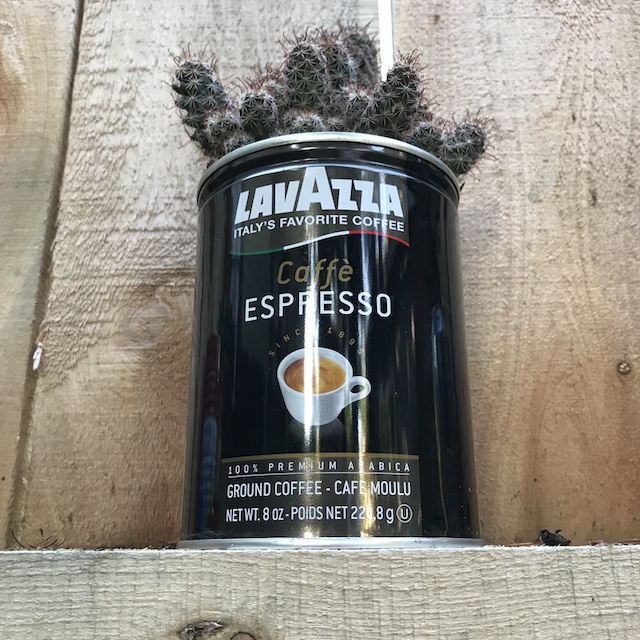
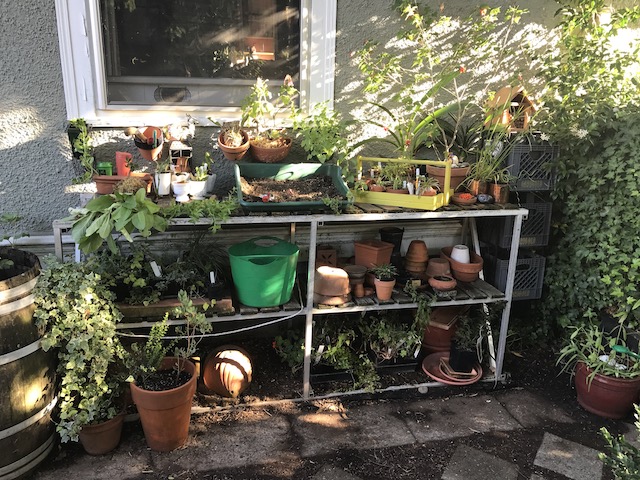
Control & Resilience: When the world feels chaotic, our gardens offer spaces where we can see the direct results of our efforts and care. Gardens teach us to accept the natural cycles of things that are beyond our control.
Creativity and Play: Play is often one of the neglected aspects of gardening. I’ve used it a lot when I was very sad, and we can all learn from its ability to make us laugh, and reconnect us to rediscovering novel ways to solve problems. It reduces stress, helps us cognitively, and play leaves us mentally and emotionally in a better state than before.
Emotional Connection: Caring for living things gives us a daily reason to get out of bed. It fosters a feeling that we are “needed” by our plants.
Happy Chemicals: Physical gardening tasks—like weeding or digging—act as exercise, releasing the “happy” chemicals. Soil exposes us to Mycobacterium vaccae, a healthy bacterium that can trigger the release of serotonin. Dopamine can cause a harvest or foraging “high” from simply collecting food. (I suspect it’s what I also feel too when I botanize—especially with friends I care about and trust.)
Mindfulness: Gardening often feels like a peaceful escape because it keeps us present. Digging, planting, watering and weeding can feel meditative. Gardening takes your mind off your worries and can help with anxiety. It’s a therapeutic escape from digital distractions. Gardening requires focus on immediate sensory details (the feel of the soil, the sound of birds) which helps ground you in the present moment and can reduce repetitive negative thoughts.
Self-Awareness: This is a tricky one for me in the professional realm. Accomplishment in anything grows personal success, status, and power. Outperforming others in a comparative setting, can build self-worth. Validation and recognition can be useful for motivation—or it can create an egotistical monster. Success at growing can be a powerful motivator for achieving goals, helping us to navigate situations where others’ impressions determine if we’re included in a group. Similar factors can also determine if we’re awarded professional advancement. I’ve seen the success and failures of some lead them to seeing situations as zero-sum. I dislike how this can get in the way of creating supportive relationships, and when insecurity is involved, people can attack others. I personally seek personal mastery over demonstrating superior performance in relation to others. I have enough problems to deal with, competition does not motivate me like it can others.
In the workplace, classroom, community garden or garden groups, inflated egos close off opportunities for growth and genuine connection. An unhealthy pursuit of self-image goals can undermine a sense of belonging, but with good self-awareness, self-image goals can make you a better person.
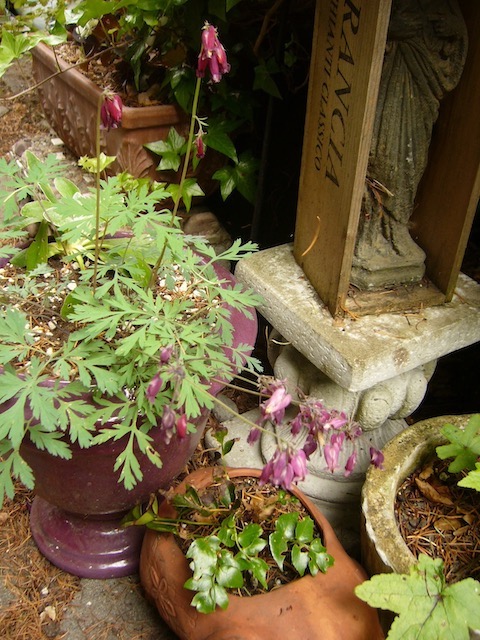

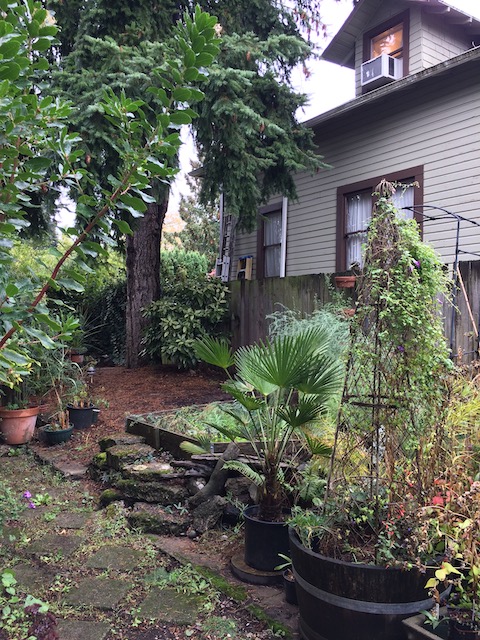

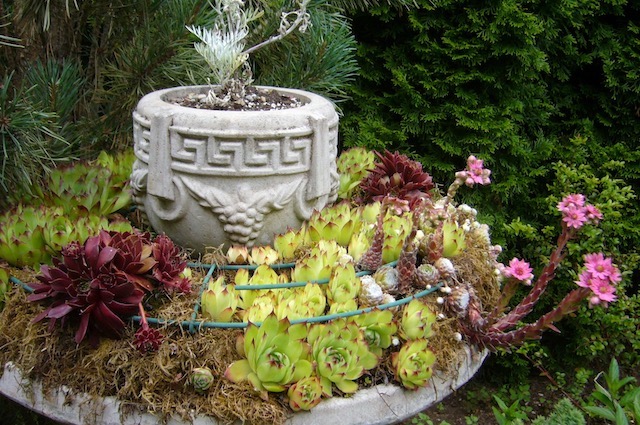
Self-Esteem: Watching our plants grow makes us feel proud of our accomplishments. I know that after decades of growing I feel great pride and I have healthy self-esteem because I’ve focused on personal mastery. I plan to keep working on that as I redesign things and the house.
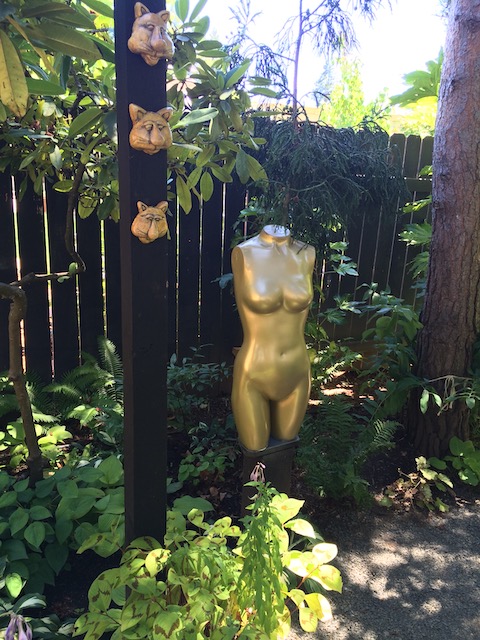
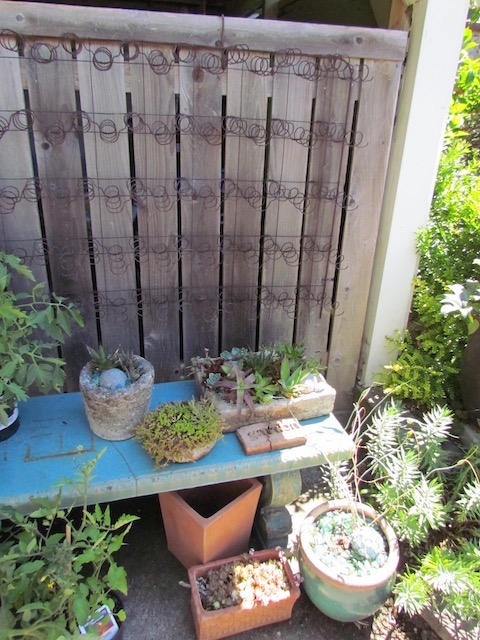
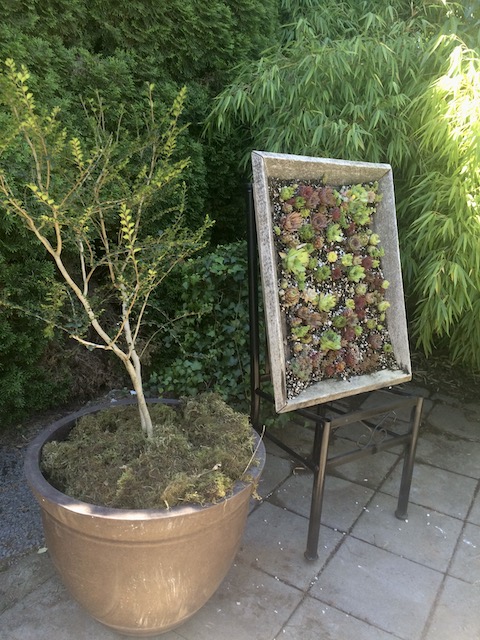
There are lots of fads and folks who’ll attempt to influence you with their version of how to find happiness in your garden. I recommend that you put your phones down and walk away from them as their videos play. Peace, purpose, and a connection to the natural world will be found within, and plants are most likely the tools you’ll need to find some emotional, psychological of physical comfort.
This is why I love greenhouse horticulture and enjoy making plants for people. I’m here to help you to work out whatever it is that you need to work out. Happy gardening in 2026.
Garden to make yourself happy—not others.
May a healthier, more resilient state of mind be our greatest harvest this year.
And don’t forget to have fun.

 Ann Loves Plants
Leave a comment